How I Turned My Wardrobe Into a Smart Investment Portfolio
What if your favorite jacket or little black dress could do more than just make you look good? I used to see fashion as pure expense—until I realized some pieces actually appreciate. This isn’t about fast trends or closet clutter. It’s about treating high-quality fashion as part of a smarter personal finance strategy. Here’s how I shifted from mindless spending to building a wearable investment portfolio that saves money and adds long-term value. By rethinking what I buy, where I buy it, and how I care for it, I’ve transformed my wardrobe into a functional, stylish, and financially sound asset. This approach isn’t reserved for the wealthy or fashion elite. It’s accessible to anyone willing to make thoughtful choices and plan ahead. The result? Less waste, fewer impulse buys, and more confidence in every outfit—and in my financial decisions.
The Mindset Shift: From Spending to Investing in Fashion
For most people, clothing is a recurring expense with no return. Every season brings new sales, new trends, and a fresh wave of temptation. But what if we stopped seeing fashion as something that only loses value the moment we wear it? The first step toward building a wearable investment portfolio is a fundamental change in mindset: shifting from consumer to investor. This means viewing certain clothing purchases not as costs, but as assets that can retain or even increase in value over time. It’s a concept gaining traction as more consumers become aware of the environmental and financial costs of fast fashion.
This shift is supported by broader economic and cultural changes. The global secondhand fashion market, valued at approximately $35 billion in 2023, is projected to double within five years, according to industry analysts. Resale platforms have made it easier than ever to buy and sell pre-owned luxury and designer items, creating a circular economy where value can be recovered. At the same time, inflation and rising living costs have pushed families to seek smarter ways to manage their budgets. Viewing fashion through a financial lens allows individuals to stretch their dollars further—by buying less, but better.
But this mindset isn’t about hoarding expensive items or chasing designer labels blindly. It’s about intentionality. It means asking questions before every purchase: Will I wear this for years? Is it well-made? Can it be resold later? These are the same kinds of questions investors ask when evaluating stocks or real estate. The difference is that here, the asset is wearable, personal, and part of daily life. When done right, this approach doesn’t just save money—it enhances self-expression and reduces decision fatigue. Over time, a curated wardrobe becomes a reliable toolkit for any occasion, eliminating the stress of last-minute shopping or ill-fitting outfits.
Moreover, this financial perspective aligns with growing interest in sustainability. Fast fashion relies on disposable clothing, often made with low-quality materials and unethical labor practices. By investing in fewer, higher-quality pieces, individuals reduce their environmental footprint and contribute to a more responsible fashion ecosystem. This dual benefit—financial prudence and ethical consumption—makes the investment mindset not only smart but meaningful. It turns everyday choices into small acts of empowerment, where personal style and financial health grow stronger together.
What Makes Fashion "Investment-Grade"? Defining the Criteria
Not every garment is worth keeping for the long term. To build a true investment portfolio, certain criteria must be met. The key is identifying pieces that combine durability, timeless design, and market demand. These are the elements that allow fashion items to resist depreciation and, in some cases, appreciate in value. The first factor is **craftsmanship**. Items made with attention to detail—such as reinforced stitching, solid zippers, and hand-finished edges—tend to last longer and maintain their appearance over time. A well-constructed coat, for example, can remain functional and stylish for decades, while a poorly made one may show signs of wear after just a few seasons.
The second criterion is **material quality**. Natural fibers like wool, cashmere, silk, and full-grain leather generally outperform synthetic blends in both comfort and longevity. These materials age gracefully, developing a patina or softness that enhances their appeal. In contrast, polyester and acrylic fabrics often pill, fade, or lose shape quickly, making them poor candidates for long-term value. When evaluating a piece, it’s wise to examine the fabric content and consider how it will hold up to repeated wear and washing.
**Brand heritage** also plays a significant role. Certain labels have established reputations for quality and consistency, which translates into stronger resale performance. Brands like Burberry, Chanel, and Hermès, for instance, are known for maintaining value due to their craftsmanship, limited production, and global recognition. However, brand name alone isn’t enough. The item must also reflect the brand’s core identity—such as a classic trench coat from Burberry or a timeless handbag from Hermès. Trend-driven or seasonal designs from even prestigious brands often lose value quickly once the novelty fades.
**Timeless appeal** is perhaps the most important factor. Investment-grade fashion avoids extreme trends and instead embraces simplicity, versatility, and elegance. A little black dress, a tailored blazer, or a pair of dark denim jeans can be worn in multiple settings and styled in countless ways. These staples transcend seasons and remain relevant year after year. In contrast, items with bold logos, exaggerated silhouettes, or short-lived motifs tend to feel outdated quickly, limiting their resale potential.
Finally, **limited availability** can enhance an item’s investment potential. Pieces released in small quantities, part of a special collection, or no longer in production often become more desirable over time. This scarcity drives demand in the resale market, especially when combined with strong brand reputation and high quality. Collectible sneakers, for example, have become a recognized asset class, with rare pairs selling for many times their original price. While not every shopper needs to chase rare finds, understanding the role of scarcity helps in making informed choices about what to prioritize.
Building Your Portfolio: Selecting the Right Pieces
Just as a financial advisor would recommend diversifying a stock portfolio, a smart fashion investment strategy requires balance and variety. A wearable portfolio should include a mix of staple items and statement pieces, each serving a distinct purpose. **Staples** are the foundation—versatile, high-quality basics that can be worn frequently and paired with many other items. Examples include a well-fitted wool coat, a crisp white button-down shirt, a pair of classic leather loafers, or a neutral-colored handbag. These pieces don’t draw attention to themselves but elevate every outfit they’re part of. Because they are worn often and last for years, their cost per wear becomes very low, making them highly efficient investments.
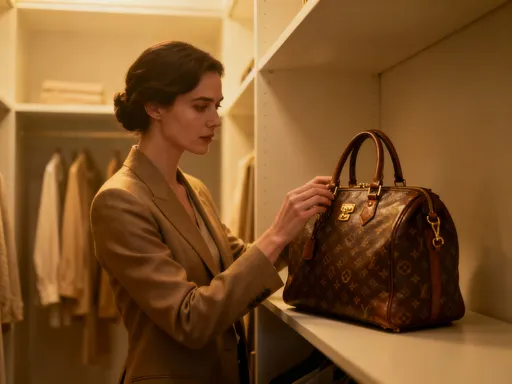
**Statement pieces**, on the other hand, are the highlights—the items that stand out and hold strong resale appeal. These might include a designer handbag, a limited-edition watch, or a pair of iconic sunglasses. While worn less frequently, they often appreciate in value and can be sold later for a profit or near-breakeven. The key is to choose statement items that are both personally meaningful and aligned with market trends. For instance, a vintage Chanel flap bag or a pair of Nike Air Jordan 1s in good condition can command high prices on resale platforms due to consistent demand.
When building this portfolio, it’s essential to align purchases with lifestyle needs. A busy professional might prioritize tailored suits and elegant workwear, while a parent might focus on durable outerwear and comfortable yet polished footwear. The goal is not to accumulate as many items as possible, but to select pieces that serve real, recurring purposes. This reduces the need for constant replacements and prevents the accumulation of unused clothing that only takes up space.
Strategic acquisition is another cornerstone of this approach. Instead of buying impulsively during sales, investors wait for the right moment—when an item is on sale, when their current version shows wear, or when they’ve saved enough to afford a higher-quality option. This patience pays off in both financial and emotional terms. It eliminates buyer’s remorse and ensures that each addition to the wardrobe is deliberate and valued. Over time, this disciplined approach leads to a closet that feels curated rather than cluttered, where every piece has a purpose and a story.
Where to Buy: Navigating New, Pre-Owned, and Resale Markets
One of the most powerful tools in the modern fashion investor’s toolkit is the rise of authenticated resale platforms. Sites like The RealReal, Vestiaire Collective, and Rebag have transformed the way people buy and sell luxury goods, making high-end fashion more accessible and financially sensible. These platforms offer a middle ground between full retail prices and uncertain secondhand markets, providing verified authenticity, detailed condition reports, and secure transactions. As a result, buyers can acquire designer items at 30% to 70% off original prices, significantly improving the cost basis of their investment.
Buying pre-owned isn’t just about saving money—it’s also about accessing items that may be discontinued or out of budget when new. A vintage Hermès scarf or a rare leather tote might be unaffordable at retail, but available in excellent condition through resale. This opens up opportunities for building a high-value wardrobe without the high upfront cost. At the same time, purchasing secondhand supports sustainability by extending the life of existing garments and reducing demand for new production.
Of course, buying new still has its place—especially for items that require a perfect fit or are meant to be worn immediately. When purchasing at retail, it’s wise to time buys around end-of-season sales or holiday promotions to maximize value. Some shoppers even adopt a “save and splurge” strategy, setting aside funds over several months to afford a high-quality piece without going into debt. This method reinforces financial discipline and ensures that purchases are made with intention, not impulse.
Regardless of where you buy, due diligence is critical. For pre-owned items, always review photos carefully, check the condition grade, and verify the authenticity guarantee. Look for signs of wear such as scuffs, stains, or stretched seams, and consider whether repairs would be feasible. For new purchases, research the brand’s return policy and warranty options. Some luxury brands offer free cleaning, repairs, or even trade-in programs, which can enhance long-term value. By being selective and informed, buyers can build a portfolio that is both financially sound and personally satisfying.
Maintaining Value: Care, Storage, and Documentation
An investment is only as good as the care it receives. No matter how expensive or rare a piece may be, neglect can quickly erode its value. Proper maintenance is essential to preserving both the physical condition and resale potential of fashion items. The first rule is **appropriate cleaning**. Different materials require different methods—wool should be dry-cleaned, leather needs conditioning, and silk must be handled gently. Following care labels and consulting professionals when unsure can prevent irreversible damage.
**Storage** is equally important. Clothing should be kept in a cool, dry place away from direct sunlight, which can fade colors and weaken fibers. Use padded hangers for structured garments like blazers and coats to maintain their shape. Store shoes with shoe trees to prevent creasing, and place handbags in dust bags with stuffing to retain their form. Seasonal items like winter coats or summer dresses should be cleaned and stored properly before being packed away, ideally in breathable garment bags.
Another often-overlooked practice is **repair and restoration**. A loose button, a small tear, or a worn heel doesn’t mean the end of an item’s life. In fact, timely repairs can extend its usability and preserve its value. Many cobblers, tailors, and leather specialists offer affordable services to fix common issues. Investing in these small fixes is far cheaper than replacing the entire piece and shows future buyers that the item has been well cared for.
Finally, **documentation** plays a surprisingly powerful role. Keep original receipts, authenticity cards, instruction booklets, and any packaging that came with the item. Take clear photos of the piece when new and after major wear events. This paper trail not only proves ownership and origin but also builds trust with potential buyers. On resale platforms, items with complete documentation often sell faster and at higher prices. These habits may seem minor, but over time, they compound into significant financial advantages.
When and How to Sell: Timing the Market Like a Pro
Knowing when to sell is just as important as knowing what to buy. Even the best-made items will eventually depreciate if held too long. The key is to identify the optimal window for resale—when demand is high, the item is still in good condition, and market trends are favorable. One signal is **style relevance**. If a particular silhouette, color, or brand is trending in fashion media or on social platforms, it’s often a good time to list the item. For example, when 1990s-inspired fashion returned to popularity, vintage denim and minimalist handbags saw a surge in value.
**Brand momentum** also matters. If a designer is receiving critical acclaim, launching a successful collaboration, or gaining celebrity endorsements, their pieces often appreciate in the resale market. Staying informed about fashion news and market trends can help investors anticipate these shifts. Tools like resale price trackers and market analytics from platforms like Grailed or StockX provide valuable data on which items are gaining or losing value.
When it comes to **listing strategy**, presentation is everything. Use high-quality photos with natural lighting, showing the item from multiple angles. Write a detailed description that includes brand, size, material, condition, and any flaws. Be honest and transparent—buyers appreciate accuracy and are more likely to trust listings that disclose imperfections. Pricing should be competitive but realistic, based on recent sales of similar items. Starting slightly above market and allowing for negotiation can also be effective.
Choosing the right platform depends on the item and the seller’s goals. General marketplaces like eBay offer broad reach but require more effort in authentication and shipping. Specialized resale platforms provide verification and customer service but take a commission. Consignment stores offer convenience but may pay less. Each option has trade-offs, so it’s important to weigh fees, time, and control when deciding where to sell. With the right timing and approach, selling can turn fashion into a source of passive income, recycling value back into the wardrobe or savings account.
Beyond Profit: The Broader Financial and Lifestyle Benefits
While the potential for financial return is exciting, the true value of a fashion investment portfolio extends far beyond resale profits. One of the most immediate benefits is **reduced spending on replacements**. When clothes last longer, there’s less need to buy new ones. This cuts down on frequent trips to the mall, online shopping sprees, and the hidden costs of dry cleaning and repairs for low-quality items. Over time, this leads to significant savings—money that can be redirected toward goals like family vacations, home improvements, or retirement planning.
Another advantage is **greater confidence and efficiency in daily life**. A curated wardrobe reduces decision fatigue. Instead of staring into a crowded closet with “nothing to wear,” individuals can quickly assemble polished, appropriate outfits. This is especially valuable for working mothers, caregivers, and busy professionals who need to balance multiple roles. When clothing is reliable and versatile, it becomes a quiet source of stability and self-assurance.
There’s also a deep sense of **personal empowerment** that comes from mindful consumption. In a world of constant advertising and social pressure to keep up with trends, choosing to buy less and choose wisely is an act of independence. It reflects a commitment to values—whether that’s financial responsibility, environmental care, or personal authenticity. This mindset shift doesn’t happen overnight, but with practice, it becomes second nature.
Ultimately, treating fashion as an investment is not about getting rich. It’s about gaining control. It’s about making choices today that benefit your future self—financially, emotionally, and ethically. It turns shopping from a source of stress into a strategic, even enjoyable, part of financial planning. And for many women, especially those managing household budgets and family needs, this approach offers a practical, empowering way to build long-term security—one thoughtful purchase at a time.