Lost in the Lava: How Hiking Santorini’s Caldera Trail Changed My View of Greece
Ever thought hiking could be the best way to really see Santorini? Forget the crowded viewpoints and cruise-ship chaos—walking the caldera rim from Fira to Oia unveils a side of Greece most tourists never experience. Rugged trails, volcanic cliffs, and villages carved into rock make every step unforgettable. This isn’t just sightseeing—it’s feeling the island’s heartbeat beneath your boots. The crunch of pumice underfoot, the wind carrying salt from the Aegean, the sun illuminating layers of ancient lava—it all comes together in a journey that transforms how you understand this iconic destination. Hiking the Caldera Trail is not merely movement from point A to point B; it’s a deep immersion into geology, culture, and stillness.
The Hidden Side of Santorini: Beyond the Postcard Views
Santorini is often celebrated for its picture-perfect moments: whitewashed buildings with cobalt domes, golden sunsets over the caldera, and luxury suites perched high above the sea. These images dominate travel brochures and social media feeds, shaping a global perception of the island as a romantic escape. But beneath this polished surface lies a far more dramatic story—one written in fire, ash, and time. The island’s breathtaking topography is the result of one of the most powerful volcanic eruptions in human history, the Minoan eruption around 1600 BCE, which collapsed the center of the island and formed the massive caldera visible today. While most visitors admire this landscape from observation decks or cruise ships, few truly engage with it on foot.
Walking the Caldera Trail offers access to a quieter, more authentic Santorini. Away from the souvenir shops and crowded terraces, hikers encounter raw terrain shaped by millennia of geological upheaval. The trail reveals layers of volcanic deposits—pumice, tephra, and hardened lava flows—that tell the story of repeated eruptions and island rebirths. This is not a manicured park or a commercialized path; it is a natural route that follows the island’s spine, offering intimate contact with its origins. For those willing to lace up their shoes and step off the beaten path, the rewards are profound: a sense of discovery, solitude, and connection to the earth’s forces.
Moreover, hiking allows travelers to witness how local communities have adapted to this rugged environment. Homes are built directly into the soft volcanic rock, carved out over generations for insulation and stability. Narrow alleyways wind through cliffs, connecting homes and chapels in ways that defy conventional urban planning. These architectural adaptations speak to resilience and harmony with nature—qualities often overlooked when viewing the island from a distance. By walking the trail, visitors gain not only visual beauty but also an appreciation for the ingenuity and perseverance embedded in Santorini’s culture.
Why Hike the Caldera Trail? The Unique Appeal of Volcanic Terrain
The Caldera Trail stands apart from typical Mediterranean hikes because it traverses one of Europe’s most geologically active landscapes. Unlike forested mountain paths or coastal boardwalks, this route unfolds across a terrain forged by fire and water. Every step takes place on ground shaped by volcanic activity, where the earth’s history is visible in striated cliffs and porous rock formations. The path itself is composed largely of compacted gravel and volcanic ash, providing a unique underfoot sensation that shifts slightly with each stride. There is no artificial surfacing here—just nature’s own pavement, worn smooth by wind, rain, and time.
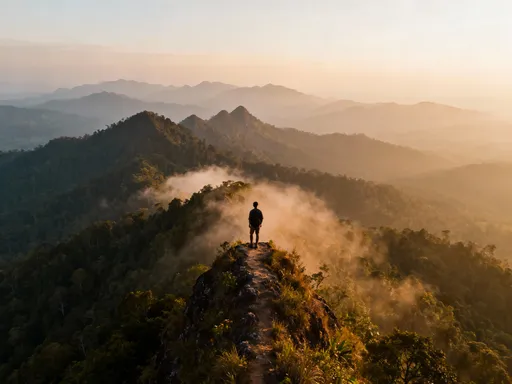
What makes the hike particularly compelling is the sensory immersion it offers. The air carries a mineral scent, especially after a light breeze stirs the dust. The sun reflects sharply off the pale rock, creating a luminous effect that changes with the hour. In the early morning, shadows stretch long across the trail, emphasizing the depth of the caldera below. By midday, the light flattens the landscape into brilliant whites and grays. And in the late afternoon, golden rays illuminate the cliffs, making them glow like embers. These subtle shifts encourage mindfulness, drawing attention to details that might otherwise go unnoticed.
Equally striking is the silence. Despite Santorini’s popularity, the trail remains remarkably peaceful. The absence of motorized traffic allows natural sounds to emerge—the rustle of dry grass, the cry of seabirds circling above the cliffs, the distant crash of waves against the base of the caldera. This auditory clarity enhances the feeling of being suspended between sky and sea, removed from everyday distractions. For many hikers, this quietude becomes a form of meditation, fostering reflection and presence. It’s rare to find such stillness in a destination known for its crowds, yet here it is, preserved along the rim of an ancient volcano.
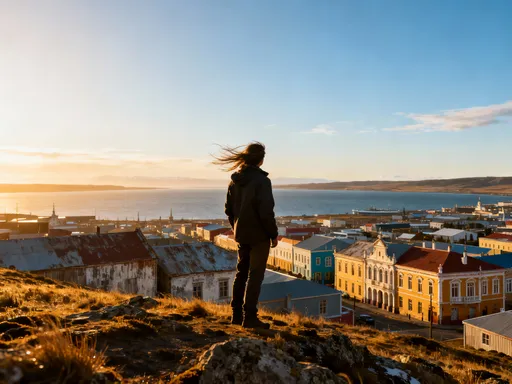
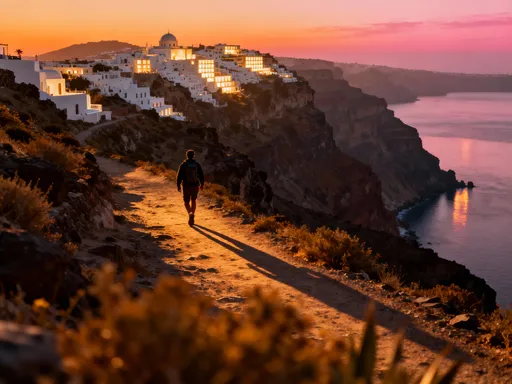
The panoramic views are, of course, unforgettable. From vantage points along the trail, the entire caldera unfolds in sweeping vistas. The deep blue of the Aegean contrasts dramatically with the island’s ashen cliffs and the dark silhouette of Nea Kameni, the still-active volcanic island at the center of the lagoon. On clear days, the curvature of the earth seems almost visible, stretching toward distant horizons. These views are not static; they evolve with every kilometer, revealing new angles and perspectives. Unlike photo stops designed for quick snapshots, the trail invites prolonged observation, allowing the landscape to reveal itself gradually.
Trail Overview: From Fira to Oia – What to Expect
The official Caldera Trail stretches approximately 10 kilometers from Fira, the island’s bustling capital, to Oia, its most famous village. Though the distance may seem modest, the terrain and elevation changes make it a moderate hike requiring steady pacing and proper preparation. The total elevation gain is minimal—around 100 meters—but the path includes frequent ascents and descents as it follows the undulating rim of the caldera. Some sections feature steep drop-offs with minimal railings, emphasizing the need for caution, especially in windy conditions or when visibility is reduced.
Hikers typically take between 3.5 and 4.5 hours to complete the journey, depending on fitness level and how often they stop to rest or take photographs. The route is well-marked in most areas, with painted stones, signposts, and occasional directional arrows guiding the way. However, certain stretches—particularly between Imerovigli and Oia—can be less clearly defined, especially where erosion has altered the path. It’s advisable to carry a map or use a reliable GPS app to avoid confusion. The trail is generally safe for experienced walkers, but it is not recommended for those with vertigo or mobility challenges due to uneven surfaces and exposed edges.
Key landmarks punctuate the route, offering natural resting points and photo opportunities. Skaros Rock, located near Imerovigli, is one of the most iconic sights along the trail. Once the site of a medieval fortress, this massive volcanic outcrop juts dramatically into the caldera, providing a striking focal point for hikers. Many pause here to sit on the edge (safely), take in the 360-degree views, and imagine the fortress that once stood there. Further along, the small chapel of Agios Nikolaos appears tucked into the cliffside, its white walls glowing in the sunlight. Though not open to the public, it serves as a spiritual waypoint, a reminder of the deep connection between faith and place in Greek island life.
Rest stops are limited but available. Small cafes and water kiosks can be found in Firostefani and Imerovigli, where hikers can refill bottles, purchase snacks, or enjoy a brief break in the shade. Beyond Imerovigli, options become sparse, so carrying sufficient supplies is essential. Oia, the final destination, offers numerous restaurants, shops, and seating areas, making it an ideal place to conclude the hike. Many choose to stay in Oia to witness the famous sunset, though doing so requires careful timing, as the last buses and taxis may fill up quickly after dark.
Planning Your Hike: Best Time, Gear, and Essentials
Timing is a critical factor in ensuring a safe and enjoyable hike. The best months to walk the Caldera Trail are April through June and September through October, when temperatures are mild, crowds are smaller, and the light is ideal for photography. July and August, while popular with tourists, bring intense heat and large numbers of visitors, increasing the risk of dehydration and trail congestion. Starting the hike early in the morning—ideally between 7:00 and 8:30 a.m.—allows hikers to complete the majority of the route before the midday sun becomes overwhelming.
Proper gear is essential for comfort and safety. Sturdy walking shoes with good grip are non-negotiable; sandals, flip-flops, or smooth-soled footwear are ill-suited for the loose gravel and uneven terrain. A wide-brimmed hat, UV-protective sunglasses, and high-SPF sunscreen help shield against the strong Mediterranean sun, which reflects intensely off the pale rock. A lightweight, breathable backpack is ideal for carrying essentials without overheating. Most importantly, hikers should carry at least two liters of water per person, as hydration stations are infrequent. Electrolyte tablets or sports drinks can help replenish lost minerals, especially on hot days.
Additional items to pack include a small first-aid kit, a whistle (for emergencies), a fully charged mobile phone with offline maps, and light snacks such as nuts, dried fruit, or energy bars. While the trail is generally safe, cell service can be spotty in certain areas, so informing someone of your itinerary is wise. A compact umbrella or lightweight rain jacket may also be useful, as sudden weather changes can occur, though rainfall is rare during peak hiking seasons.
Facilities along the route are minimal but functional. Public restrooms are available in Fira, Firostefani, Imerovigli, and Oia. Some cafes in Imerovigli offer shaded seating and refreshments, making them excellent mid-hike break spots. However, beyond these villages, services are scarce. Hikers should plan accordingly, especially if traveling with children or those who require frequent rest. Travelers with medical conditions should consult a healthcare provider before attempting the hike and carry necessary medications.
Experiencing the Villages En Route: Fira, Firostefani, Imerovigli, and Oia
The Caldera Trail connects four distinct settlements, each with its own character and charm. Fira, the starting point, is the island’s commercial and transportation hub. Lively and cosmopolitan, it buzzes with activity—tourists browse shops, diners fill rooftop restaurants, and ferries arrive and depart from the port below. While it lacks the tranquility of the villages further north, Fira offers a dynamic introduction to Santorini’s modern rhythm. Its central location makes it easily accessible, and its wide promenade provides a gentle warm-up before the trail begins in earnest.
Just a short walk from Fira lies Firostefani, a quieter neighborhood that translates to “crown of the mountain.” Here, the pace slows, and the architecture becomes more intimate. Blue-domed churches, including the famous Three Holy Hierarchs, stand in serene contrast to the endless blue of the sky and sea. The path through Firostefani is lined with boutique hotels, family-run guesthouses, and hidden courtyards, offering glimpses into residential life. This village serves as a transition zone—still connected to Fira’s energy but beginning to reflect the stillness that defines the northern trail.
Imerovigli, often called the “balcony to the Aegean,” marks the emotional and scenic peak of the hike. Perched at the highest point of the caldera rim, it offers some of the most breathtaking views on the island. The village is smaller and more secluded, with narrow streets that wind through rock-cut homes and hidden chapels. It exudes a sense of peace and timelessness, making it a favorite among travelers seeking solitude. The Monastery of Saint John the Baptist, with its striking architecture and panoramic terrace, stands as a cultural landmark. Locals here are accustomed to hikers, and several family-owned cafes offer traditional Greek treats like baklava and Greek coffee in shaded courtyards.
Oia, the final destination, is world-renowned for its sunsets and photogenic alleyways. Unlike the quiet villages behind it, Oia pulses with energy, especially in the late afternoon when crowds gather to watch the sun dip below the horizon. Its narrow streets are lined with art galleries, jewelry shops, and candlelit restaurants, creating a romantic atmosphere. Yet beyond the tourism, Oia retains a strong sense of community. Many homes are still occupied by local families, and traditional architecture is preserved with care. Arriving on foot after a long hike provides a unique sense of accomplishment, transforming Oia from a postcard into a hard-earned reward.
Safety, Etiquette, and Sustainable Hiking Practices
While the Caldera Trail is accessible to most able-bodied hikers, it presents real safety considerations. The most significant hazard is the presence of steep drop-offs along much of the route, with some sections lacking protective railings. Loose gravel and eroded paths can make footing unstable, particularly on downhill stretches. Windy conditions may increase the risk of losing balance near edges, so staying on marked paths and avoiding risky poses for photographs is crucial. Parents should closely supervise children, and hikers with vertigo should consider shorter, less exposed sections of the trail.
Equally important is practicing responsible tourism. The caldera environment is fragile, shaped by centuries of natural processes and vulnerable to human impact. Littering, even small items like fruit peels or plastic wrappers, disrupts the ecosystem and mars the landscape. Hikers should carry all trash with them until proper disposal is available. Respecting private property is also essential—many homes and hotels are built directly into the cliffside, and straying off the path can intrude on residents’ privacy. Drone use, while tempting for photography, is regulated in Greece and often prohibited in populated areas without permission.
Sustainable hiking also means supporting local communities. Purchasing water, snacks, or souvenirs from family-run shops in Firostefani or Imerovigli helps sustain the local economy. Choosing eco-conscious accommodations and tour operators contributes to long-term preservation efforts. Many residents take pride in maintaining the trail and its surroundings, and respectful behavior reflects appreciation for their stewardship. Simple gestures—like greeting locals with a polite “kalimera” (good morning) or asking permission before photographing homes—go a long way in fostering positive interactions.
Finally, staying aware of one’s limits is a key aspect of safety. Heat exhaustion is a real risk, especially in summer months. Signs include dizziness, nausea, and excessive fatigue. Hikers should listen to their bodies, take frequent breaks in shaded areas, and drink water regularly. If symptoms arise, descending to a village and seeking assistance is the safest course. Emergency services are available on the island, but response times may vary. Carrying a basic first-aid kit and knowing the location of the nearest medical facility can provide peace of mind.
Why This Hike Stays With You: Reflections on Movement, Nature, and Memory
The Caldera Trail does more than showcase scenery—it changes how you experience travel. In an age of rapid transit and instant imagery, hiking forces a slower, more intentional rhythm. Each kilometer walked becomes a form of active engagement, a way of knowing a place through effort and attention. The physical act of moving through the landscape creates a deeper imprint than any photograph ever could. Memories formed on foot—feeling the sun on your shoulders, hearing the wind in the cliffs, pausing to catch your breath at a vista—are stored differently in the mind, rooted in sensation and emotion.
There is also a meditative quality to the hike. The repetition of steps, the steady pace, the focus on balance and breath—all contribute to a state of mindfulness. Without the distraction of screens or schedules, the mind has space to wander, reflect, and reconnect. Many hikers report a sense of clarity or emotional release during or after the journey, as if the movement through space mirrored an inner journey as well. This is not merely exercise; it is a form of pilgrimage, a return to simplicity and presence.
Ultimately, the trail offers a powerful reminder of nature’s grandeur and human resilience. Standing atop the caldera, one cannot help but feel small in the face of geological time. The same forces that destroyed ancient civilizations also created this beauty, teaching a lesson in impermanence and renewal. Yet within this vastness, the enduring presence of villages, chapels, and cultivated terraces speaks to humanity’s capacity to adapt, build, and thrive. The hike becomes a metaphor for life itself—fragile, fleeting, yet profoundly meaningful.
For the women who travel—often balancing family, work, and personal aspirations—this kind of journey holds special significance. It is a rare opportunity to step away from daily responsibilities and reclaim time for oneself. Walking the Caldera Trail is not about conquering a mountain; it is about rediscovering strength, stillness, and wonder. It invites a deeper way of seeing, not just Santorini, but the world—and oneself. In the end, the trail leaves more than memories; it leaves a quiet transformation, carried forward with every step beyond the island’s shores.