Lost in the Wind but Found in the Heart of Patagonia
You know that feeling when a place just gets you? Punta Arenas, Chile, hit me like a gust off the Strait of Magellan—raw, real, and totally unexpected. I went looking for the edge of the world, but what I found were neighborhoods pulsing with life, history, and quiet magic. This isn’t just a pit stop for Antarctica trips; it’s a story waiting in every district. Let me take you through the streets that taught me what it means to truly arrive. More than a gateway to Patagonia, Punta Arenas is a city shaped by wind, water, and will—where every corner holds a whisper of the past and a pulse of the present. To walk its avenues is to understand resilience, identity, and the deep beauty of places often passed by.
The Soul of a Southernmost City
Punta Arenas rests at the southern tip of South America, a city both isolated and interconnected, battered by winds that sweep in from Antarctica yet warmed by the steady rhythm of daily life. Often seen merely as a transit point for Antarctic voyages or a final stop before Torres del Paine, it is too easily overlooked. But those who linger discover a layered urban tapestry woven from maritime ambition, immigrant determination, and quiet cultural pride. Founded in 1848 as a penal colony and later thriving during the Patagonian sheep farming boom, Punta Arenas rose from necessity into identity. Its districts—each with distinct textures, histories, and personalities—invite slow exploration. The city does not reveal itself all at once; it unfolds gradually, like the turning of pages in a well-worn journal. What emerges is not just a sense of place, but a sense of belonging, even for the briefest visitor.
Unlike many southern outposts that fade into obscurity, Punta Arenas has endured. Its survival is not accidental but rooted in adaptability—economic, environmental, and cultural. The wind, often cited as a defining feature, becomes a metaphor for the city’s spirit: persistent, shaping, and impossible to ignore. Yet beneath that elemental force lies warmth—found in a shared coffee, a preserved facade, or a child’s laughter in a neighborhood park. To experience Punta Arenas is to witness how geography and human resilience intertwine, creating a destination that rewards curiosity and patience. It is not loud or flashy, but deeply authentic—a city that speaks in quiet tones to those willing to listen.
Historic Downtown: Where Time Stands Still
The heart of Punta Arenas beats strongest in its historic downtown, where cobblestone streets and 19th-century architecture transport visitors to a time of gaucho traders, wool barons, and European elegance. A stroll along Calle Bories or Calle Pedro Montt reveals buildings with ornate wooden facades, wrought-iron balconies, and steeply pitched roofs designed to withstand the relentless wind. These structures, many constructed with imported materials from Europe, reflect the wealth generated during the late 1800s sheep boom, when Punta Arenas ranked among the most prosperous cities in Chile. The most iconic of these is the Braun Menéndez Mansion, now the Museo Regional de Magallanes, a perfectly preserved estate that offers a glimpse into the opulent lifestyle of Patagonia’s elite. Inside, velvet drapes, grand pianos, and imported chandeliers speak of a bygone era when this remote city was a cosmopolitan hub.
At the center of it all lies Plaza Muñoz Gamero, the city’s main square, ringed by colorful buildings in shades of ochre, blue, and terracotta. A statue of the naval officer Captain Juan José Latorre stands tall, honoring Chile’s maritime legacy. Around the plaza, locals gather at outdoor benches, children chase pigeons, and street vendors sell handmade woolen scarves and gloves—essential gear against the ever-present chill. Cafés with large glass windows, such as Café de la Plaza and La Divina, serve rich hot chocolate, empanadas, and traditional tortas patagónicas—dense, buttery cakes that have become a local staple. These spaces blend history with daily life, where tourists and residents coexist in a shared urban rhythm. The downtown is not a museum frozen in time, but a living district where the past informs the present without overpowering it.
The Waterfront District: Gateway to the Unknown
Just a short walk from the plaza, the city opens to the Strait of Magellan, its waters gray and restless under the Patagonian sky. The waterfront district, known locally as Costanera, is where Punta Arenas connects to the wider world. This is the city’s maritime soul—a place of departure and return, of legends and livelihoods. The monument to Ferdinand Magellan, a towering bronze figure gazing toward the strait, stands as a tribute to the explorer who first navigated these waters in 1520. Nearby, working docks host fishing boats, supply vessels, and cruise ships preparing for Antarctic expeditions. The air carries the scent of salt and diesel, a reminder that this is not a curated tourist port but a functioning harbor vital to the region’s economy.
Walking along the promenade, visitors can watch cargo being loaded, seagulls circling overhead, and the occasional southern right whale breaching in the distance. Interpretive panels along the path recount the strait’s significance in global navigation and Punta Arenas’ role as a coaling station during the age of steamships. In the early 20th century, this port welcomed ships from Europe and North America, linking the city to international trade routes. Today, while commercial traffic has diminished, the waterfront remains symbolic—a threshold between the known and the unknown. Families come here for evening walks, couples pause to take in the sunset over Tierra del Fuego, and travelers photograph the last signs of civilization before heading south. The energy here is both practical and poetic, a blend of utility and wonder that defines much of Patagonia’s allure.
Southern Suburbs: Life Beyond the Center
Away from the historic core and bustling port, Punta Arenas’ southern neighborhoods offer a different perspective—one of quiet domesticity and community resilience. Districts like María Behety, Fernando Montt, and Río Verde are where most residents live, raising families, tending gardens, and commuting to work. These areas are marked by modest single-family homes with corrugated metal roofs, painted in soft blues, greens, and yellows. Unlike the ornate downtown, these streets reflect a more utilitarian aesthetic, shaped by the need for durability in a harsh climate. Yet beauty persists: small gardens bloom with hardy Patagonian flowers, children ride bikes on quiet avenues, and neighborhood bakeries emit the warm scent of fresh bread each morning.
What makes these suburbs remarkable is their sense of rootedness. Trees, though sparse due to the wind, line certain streets—poplars and willows planted decades ago that now provide rare shade. Parks like Parque Cementerio de Avestruces (named for its former use as an ostrich farm) and small playgrounds serve as communal gathering spots. Schools, corner stores, and local churches anchor daily life, creating a rhythm that feels both remote and familiar. Residents here speak of pride in their city, not for its fame, but for its endurance. They weather storms—both literal and economic—with a quiet determination. To visit these neighborhoods is to see Punta Arenas not as a destination, but as a home, where life unfolds with dignity and warmth despite the elements.
Cultural Crossroads: The Immigrant Legacy in Neighborhood Identity
Punta Arenas’ identity is deeply shaped by waves of immigration, particularly from Croatia, Spain, Britain, and Germany. In the late 19th and early 20th centuries, settlers arrived seeking opportunity in the burgeoning sheep industry, bringing with them languages, traditions, and architectural styles that still influence the city today. The Croatian community, one of the largest immigrant groups, left an indelible mark—evident in surnames like Puga, Ballester, and Serrano, and in the enduring popularity of dishes such as pastel de jaiba (crab pie), which reflects coastal Mediterranean flavors adapted to Patagonian ingredients. Local bakeries still produce krafnye, a type of filled doughnut with Central European roots, a small but telling sign of cultural fusion.
This heritage is not confined to food. Churches like the Sacred Heart Cathedral, with its red-brick Gothic Revival design, echo European ecclesiastical architecture, while family-run shops and businesses often bear names that hint at distant origins. Annual festivals, such as the Croatian Heritage Week, celebrate these roots with music, dance, and traditional dress, drawing both descendants and curious newcomers. Even the city’s dialect includes subtle influences—certain phrases and pronunciations traceable to Andalusian Spanish or Venetian cadences. These layers of culture are not displayed as relics, but lived daily, passed down through generations. They remind visitors that Punta Arenas was built not by a single people, but by many—united by distance, climate, and a shared will to thrive at the world’s edge.
Modern Pulse: The Rise of New Urban Spaces
While history defines much of Punta Arenas, the city is not frozen in the past. In recent decades, new commercial zones and public spaces have emerged, reflecting changing lifestyles and economic shifts. The Mall Plaza Punta Arenas, located on the city’s eastern edge, represents this evolution—a modern shopping center anchored by national and international brands, food courts, and a cinema. Though some traditionalists view such developments with skepticism, they serve a practical need, offering shelter from the wind and a hub for social interaction, especially during the long winter months. Around the mall, new residential complexes and improved sidewalks signal ongoing urban development.
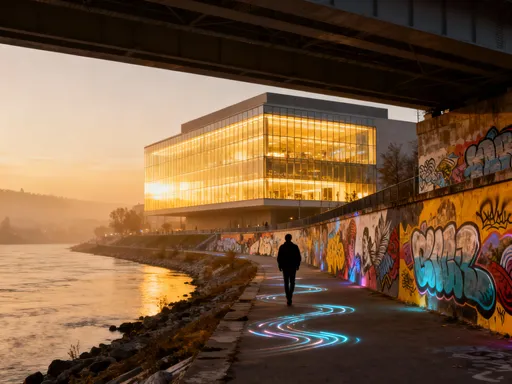
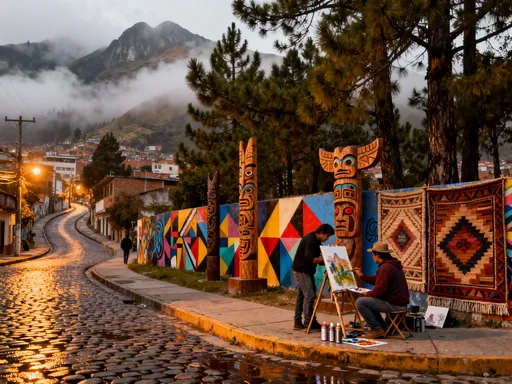
Yet the city has made efforts to balance growth with preservation. The revitalization of the Costanera promenade, with expanded walkways, lighting, and public art, demonstrates a commitment to enhancing public life without erasing character. Murals depicting Patagonian wildlife, indigenous heritage, and maritime history dot underpasses and building walls, often created through community workshops. Young locals gather in modern cafés with Wi-Fi and craft beers, blending global trends with regional pride. Social media has given Punta Arenas a new visibility, with residents sharing photos of sunsets over the strait, homemade desserts, and winter festivals. This digital presence complements physical renewal, creating a dynamic where tradition and modernity coexist. The city’s pulse today is not just in its history, but in its ability to adapt while staying true to its essence.
Hidden Corners: Offbeat Spots Only Locals Know
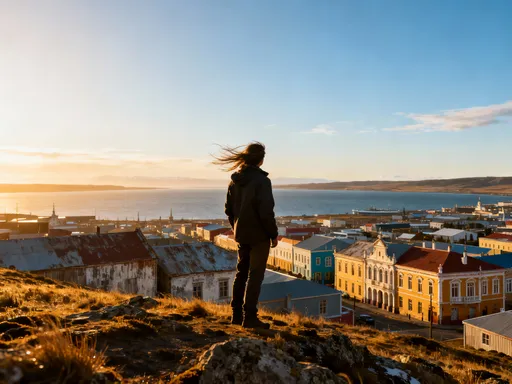
For those willing to wander beyond the guidebooks, Punta Arenas offers quiet treasures known mostly to residents. One such place is the Capilla de los Huesos, a small wooden chapel on the outskirts of the city, not because of any macabre relics, but due to its name’s folk etymology—locals say it was built with wood salvaged from old coffins, though historians dispute this. Still, the chapel’s weathered walls and solitary setting evoke a sense of solitude and reflection. Nearby, the Mirador Cerro de la Cruz offers one of the best panoramic views of the city and the strait, especially at dawn, when the first light paints the rooftops in gold and rose.
Another hidden gem is Panadería Gente de Mar, a family-run bakery in the Fernando Montt neighborhood, renowned for its torta pascualina and dense marraqueta bread. There is no sign, no website—just word of mouth and the daily queue of locals picking up their loaves. Equally unassuming is the Jardín Botánico de la Patagonia, a small botanical garden dedicated to native flora, where hardy calafate bushes, notros, and mosses thrive in controlled plots. These places do not appear on most tourist maps, yet they capture the city’s true spirit—unpolished, heartfelt, and deeply human. The joy of discovering them lies not in ticking off sights, but in the surprise of connection, the warmth of being welcomed into a moment that feels private yet generously shared.
Conclusion: Discovering More Than a Map Can Show
To travel through Punta Arenas district by district is to move beyond the idea of a city as merely a point on a route. It is to engage with a place that resists easy definition—neither fully remote nor entirely modern, neither tourist-heavy nor closed off. Its value lies in its layers: the creak of wooden floors in a 19th-century mansion, the laughter in a suburban playground, the scent of bread in a hidden bakery, the silence of a windswept viewpoint. These experiences do not shout; they whisper. And in that quiet, they invite a deeper kind of discovery—one that changes how we see not just Patagonia, but the meaning of place itself.
Punta Arenas teaches that arrival is not just about reaching a destination, but about opening oneself to the rhythms of daily life, the weight of history, and the resilience of communities far from the world’s centers. It reminds us that the most meaningful travel is not always the most dramatic, but the most attentive. In a world that often prioritizes speed and spectacle, this southernmost city offers a different path—one of stillness, observation, and connection. So the next time you find yourself on the edge of the map, consider staying a little longer. Let the wind guide you, but let the heart of the city hold you. Because sometimes, to be lost in the wind is to finally be found.