You Gotta Taste This: My Real Talk on Stockholm’s Food Scene
Stockholm surprised me in the best way—especially its food. I expected fancy Nordic cuisine, but what I found was so much more: cozy bakeries, bustling food markets, and simple dishes packed with flavor. From crispbreads to creamy salmon, every bite felt authentic. If you're heading to Sweden, forget just sightseeing—eat like a local. Let me show you how to find the best flavors without wasting time or money. The city’s culinary identity isn’t built on extravagance, but on tradition, seasonality, and a deep respect for ingredients. Whether you're sipping coffee at a sidewalk kanelbulle stand or browsing smoked fish at a harbor market, Stockholm feeds both the stomach and the soul. This is real food, served with quiet pride.
Arriving in Stockholm: First Bites and First Impressions
For many visitors, the first taste of Stockholm happens not in a restaurant, but at Stockholm Central Station. Tucked between train platforms and luggage carts, small cafés serve travelers with a rhythm that feels both efficient and warm. I remember stepping off the overnight train, still half-asleep, and being drawn to the scent of freshly baked cardamom buns. Inside one of these modest cafés, I ordered a simple breakfast: a roll with cheese, cucumber, and a thick slice of boiled egg, paired with a cup of strong, dark coffee. The meal was unassuming, yet deeply satisfying—clean flavors, no frills, and a portion size that left me energized, not sluggish.
What struck me immediately was the balance between quality and practicality. Unlike some European capitals where café culture leans toward the theatrical, Stockholm’s approach is grounded. Meals are portioned thoughtfully—not oversized, not stingy—but just enough. Pricing, while not cheap, reflects transparency. There are no hidden tourist markups on the menu, and most items list clear ingredients. This honesty extends to dining etiquette: Swedes value quiet enjoyment over loud socializing. You won’t see people shouting across tables or lingering for hours without ordering more. Instead, there’s a gentle respect for space and time, making even a quick bite feel intentional.
Central to this mindset is fika—the beloved Swedish ritual of taking a coffee break, often with a pastry. It’s not just a habit; it’s a cultural cornerstone. In offices, parks, and train stations, people pause midday to sip coffee and share a small treat, usually something sweet like a cinnamon bun or a buttery cardamom twist. Fika isn’t rushed. It’s a moment of pause, a way to reset. As a visitor, embracing fika means more than just eating—it’s about slowing down, observing, and connecting with the city’s rhythm. I quickly learned that skipping fika wasn’t just a missed snack; it was a missed opportunity to understand how Swedes live.
Exploring Östermalmshallen: A Food Lover’s Playground
If fika is the heartbeat of Stockholm’s food culture, Östermalmshallen is its soul. This elegant market hall, housed in a 19th-century brick building in the upscale Östermalm district, is a treasure trove of local flavors. Stepping inside feels like entering a living pantry—wooden stalls display glistening herring, wheels of aged cheese, and jars of golden lingonberry jam. The air hums with quiet conversation and the occasional clink of cutlery. This isn’t a tourist spectacle; it’s where Stockholmers shop, sample, and celebrate their culinary heritage.
One of the first vendors I visited specialized in pickled herring—a dish as iconic as it is misunderstood. Offered in multiple varieties (mustard, dill, onion, spiced), the herring is served chilled on small plates, often with boiled potatoes and sour cream. I tried the classic dill version, and was surprised by its brightness—tangy, herbaceous, and perfectly balanced. Nearby, a cheese counter showcased smoked Västerbotten, a firm, nutty cheese with a cult following across Scandinavia. Sliced thin and served with crispbread, it melted on the tongue with a richness that lingered pleasantly. Another stall featured reindeer sausage, lightly smoked and spiced with juniper. Served warm with a dollop of red currant jam, it was earthy and deeply savory—far from the gamey stereotype some expect.
Navigating Östermalmshallen is part of the joy, but a few practical tips can enhance the experience. Mornings, especially on weekdays, are ideal—fewer crowds, fresher stock. Most vendors accept cards, but having some Swedish krona on hand ensures smooth transactions at smaller stands. Ordering is straightforward: point, ask for a sample if offered, and don’t hesitate to accept recommendations. Many vendors speak excellent English and are proud to share their products. While prices are higher than in supermarkets, they reflect quality and craftsmanship. This is not a place to rush. Take your time. Sit at the central café area, assemble a plate from different stalls, and savor the variety. Östermalmshallen isn’t just a market—it’s a tasting menu of Sweden itself.
Street Food Gems: Where Locals Actually Eat
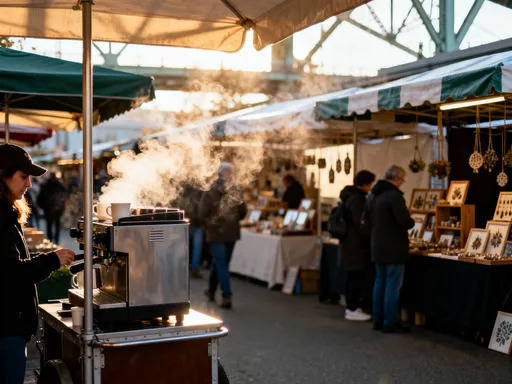
Beyond the polished halls of Östermalmshallen, Stockholm’s true food spirit thrives on the street. In places like City Hall Square and the riverside neighborhood of Hornstull, food trucks and pop-up stalls serve up some of the city’s most authentic—and affordable—meals. These aren’t the greasy kebab stands that dominate other capitals. Instead, they reflect Stockholm’s values: freshness, simplicity, and care. I spent an afternoon wandering Hornstull’s weekend market, where young chefs in aprons handed out paper trays of steaming food to locals wrapped in scarves and beanies.
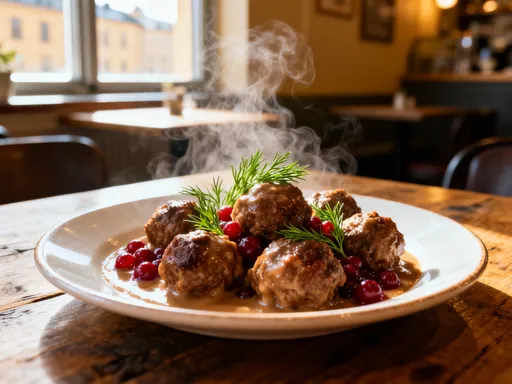
One stall served Swedish meatballs—yes, the kind you may have eaten at IKEA—but these were a revelation. Smaller, more delicate, and pan-fried in butter until golden, they came with a tart lingonberry sauce, creamy mashed potatoes, and a rich brown gravy made from pan drippings and beef stock. The difference was clear: homemade versus mass-produced. Another favorite was the fish sandwich, a staple along the waterfront. At a harbor-side kiosk, I watched a vendor grill a fillet of Baltic herring, then tuck it into a toasted roll with crisp lettuce, red onion, and a dill-infused mayonnaise. The first bite was briny, fresh, and satisfying—seafood at its most honest.
And then there were the kanelbullar—cinnamon buns that are a national obsession. At a small bakery cart in City Hall Square, I bought one warm from the oven. The swirl of cinnamon and sugar was soft, the dough tender, and a light pearl sugar crust added a gentle crunch. It was served with a paper coffee cup—perfect for a fika break with a view of the water. What makes these street eats special is not just flavor, but accessibility. You don’t need a reservation or a fancy outfit. You just need to show up. By avoiding tourist-heavy restaurants in Gamla Stan, I saved money and ate better. The rule of thumb? Follow the locals. If a queue forms at a food truck by 12:30 p.m., join it. That’s where the real meal is.
From Sea to Plate: The Secret Behind Sweden’s Seafood
Stockholm’s relationship with the sea defines its cuisine. Surrounded by the Baltic Sea and dotted with over 30,000 islands, the city has relied on fishing for centuries. Even today, seafood isn’t just a menu option—it’s a way of life. To understand this connection, I visited a family-run restaurant on the island of Djurgården, where the owner, a third-generation fisherman, still brings in the daily catch. The dining room overlooks the water, and the menu changes with the tides.
That day, the star was fresh herring, lightly cured and served with boiled new potatoes, red onions, and a dill-heavy sauce. It was part of a traditional smörgåsbord—a cold buffet that showcases a variety of small dishes. I also tried grilled mackerel, its skin crisped to perfection, and a bowl of creamy crayfish soup, fragrant with bay leaf and finished with a splash of cream. The flavors were clean, direct, and deeply tied to the season. The owner explained that herring is best in spring and early summer, while crayfish season peaks in August. Eating outside these windows means missing the peak texture and taste.
Sustainability is woven into this tradition. Swedish fishermen follow strict quotas to protect fish populations, and many restaurants proudly display their sourcing practices. Far from being a marketing gimmick, this commitment ensures that future generations will enjoy the same meals. As a visitor, respecting seasonality means more than just eating well—it means honoring the culture. Ordering off-menu items or insisting on out-of-season seafood goes against the grain of Swedish values. Instead, trust the chef, embrace the daily special, and let the sea guide your plate. This is food that doesn’t just feed you—it teaches you.
Home Cooking, Swedish Style: A Market Tour and Simple Meal Prep
To truly grasp Stockholm’s food culture, I stepped inside a neighborhood grocery store—specifically, an ICA Supermarket in the Södermalm district. Unlike the grandeur of Östermalmshallen, this was everyday Sweden: fluorescent lights, rolling carts, and shelves stacked with familiar and unfamiliar items alike. I wandered the aisles, noting ingredients that form the backbone of Swedish home cooking. Lingonberries in jars. Cartons of filmjölk, a fermented milk product similar to yogurt. Bunches of fresh dill, sold in such volume they might as well be a national symbol. Bags of waxy potatoes, perfect for boiling. And, of course, crispbread—stacked in towers, plain and seeded.
I assembled a simple lunch using just a few staples: pre-cooked shrimp, boiled eggs, dill, lemon, and crispbread. Back at my rental apartment, I mixed the shrimp with a little mayonnaise, chopped dill, and lemon zest. I sliced the eggs and arranged everything on a plate with the crispbread on the side. It took less than ten minutes, cost under 100 kronor, and tasted like something I’d order at a seaside café. This is how many Swedes eat at home—quick, balanced, and full of flavor.
The secret lies in the ingredients. Swedish cooking doesn’t rely on heavy sauces or complex techniques. Instead, it highlights freshness and contrast. A meal might combine something rich (like salmon) with something tart (like pickled beetroot), something creamy (like mashed potatoes) with something crunchy (like cucumber). Herbs, especially dill and chives, are used generously. Dairy—milk, butter, cheese—is central, though often in moderation. By shopping like a local, visitors can recreate these meals with ease. There’s no need to master advanced recipes. Just buy good ingredients, prepare them simply, and eat with intention. That’s the essence of Swedish home cooking.
Beyond Meatballs: Regional Dishes You Won’t See on Postcards
While meatballs and herring get the international spotlight, Sweden’s culinary landscape runs much deeper. In small pubs and weekend brunch spots, I discovered dishes that don’t make it onto tourist menus but are cherished in homes across the country. One such dish is pyttipanna—a humble hash of diced potatoes, onions, and leftover meat, fried until crispy and topped with a fried egg and pickled beets. It’s the ultimate comfort food, often eaten after a long walk or on a cold Sunday morning. I found an excellent version at a family-run café in Vasastan, where the potatoes were golden and the egg yolk ran just enough to bind everything together.
Another favorite was Janssons frestelse, or “Jansson’s temptation”—a creamy casserole of potatoes, onions, and matchstick-sized sprats, baked with cream and breadcrumbs until golden. The name suggests indulgence, and it delivers. Rich but not heavy, it’s a staple at holiday tables and Sunday dinners. I tried it at a cultural festival in late autumn, where volunteers served it alongside mustard sauce and crispbread. The warmth of the dish, the aroma of baked cream and dill, made it instantly comforting.
Then there were blood pancakes—blodplättar—a traditional dish made with pork blood, flour, and milk, fried like small pancakes and served with lingonberry jam and pork belly. They’re not for the faint-hearted, but their iron-rich, earthy flavor is beloved in rural areas. I tasted them at a heritage food fair, where an elderly woman explained that her grandmother used every part of the animal—nothing was wasted. These dishes may not be Instagram-famous, but they represent the heart of Swedish cooking: resourcefulness, seasonality, and family. By seeking them out, travelers move beyond the postcard version of Sweden and taste its true soul.
Eating Well Without Breaking the Bank: Budget-Friendly Strategies
Let’s be honest: Stockholm has a reputation for being expensive. A restaurant meal can easily cost 150–200 USD for two people. But with smart choices, it’s entirely possible to eat well without draining your wallet. The key is knowing where to spend—and where to save. One of the best strategies I used was taking advantage of lunch specials, or “dagens rätt” (the dish of the day). Many restaurants, even in central areas, offer full meals—soup, main course, bread, and drink—for 100–130 kronor. These are often the same dishes served at dinner, just at a fraction of the price.
Another money-saving tip is to explore self-service buffets at smaller eateries. Some cafés offer “välj själv” (choose your own) setups, where you plate your food from a hot and cold buffet. You pay by weight, so you control the cost. I enjoyed one such meal at a local deli, where I loaded up on roasted root vegetables, herring salad, and warm meatballs for under 120 kronor. Grocery stores are also a goldmine. As I learned from my ICA visit, buying fresh shrimp, crispbread, and dairy products allows you to assemble high-quality meals for a fraction of restaurant prices.
When it comes to splurging, I recommend choosing wisely. Pay more for fresh seafood at a harbor restaurant, where the fish is hours off the boat. Or treat yourself to a fika at a renowned bakery known for its kanelbullar. But skip the overpriced tourist menus in Gamla Stan, and avoid restaurants that don’t list prices clearly. By balancing indulgence with practicality, you can enjoy Stockholm’s finest flavors without guilt. Eating like a local isn’t just about taste—it’s about value, respect, and mindfulness.
Conclusion
Stockholm’s cuisine is more than Viking stereotypes—it’s a quiet celebration of seasons, simplicity, and shared moments. By eating like a local, travelers gain a deeper connection to the city’s rhythm. With a few smart choices, anyone can enjoy rich flavors without overspending. This isn’t just about food; it’s about experiencing Sweden from the inside out. So next time you travel, let your stomach lead the way. Seek out the market stalls, join the lunch queue, embrace fika, and try the dish no one’s talking about. Because in Stockholm, the best meals aren’t found in guidebooks—they’re discovered one bite at a time.