You Won't Believe These Hidden Corners of San Juan
San Juan isn’t just about old forts and beachfront hotels—you’ve got to dig deeper. I explored its city districts like a local, and honestly, the real magic happens in the neighborhoods most tourists walk right past. From colorful backstreets humming with music to quiet plazas where time slows down, San Juan’s soul lives in its streets. This is travel that feels personal, alive, and totally unforgettable. While guidebooks highlight the ramparts of El Morro and the sands of Condado Beach, the city’s deeper charm unfolds in unexpected courtyards, artist-run galleries, and bustling market corners where daily life pulses with rhythm and warmth. To truly know San Juan is to wander beyond the postcard, to listen, observe, and move at the pace of its people.
Old San Juan: Where History Meets Heartbeat
The heart of San Juan beats strongest in Old San Juan, a UNESCO World Heritage Site where pastel-hued colonial buildings line cobblestone streets worn smooth by centuries of footsteps. The district’s fame draws crowds, yet it retains an intimate soul, especially in the early hours when golden light filters through wrought-iron balconies and the scent of freshly baked pan de agua drifts from corner bakeries. This is a place where history isn’t confined to museums—it lives in the texture of the walls, the rhythm of salsa spilling from open windows, and the quiet dignity of centuries-old churches standing side by side with vibrant street art.
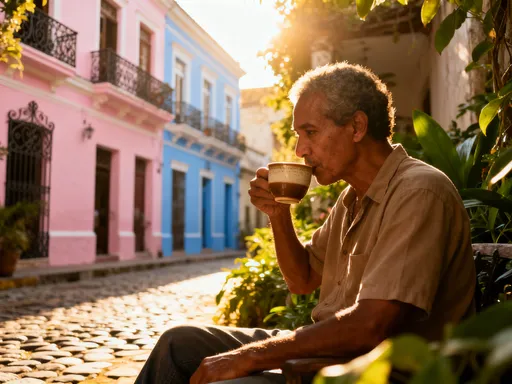
For a more personal experience, arrive shortly after sunrise. The plazas—like Plaza de Armas and Plaza del Cristo—feel almost private, with only a few locals walking dogs or sipping coffee from small cups. These quiet moments allow visitors to absorb the district’s layered character without the midday bustle. The city’s fortifications, including the iconic Castillo San Felipe del Morro, are impressive, but equally rewarding are the hidden patios tucked behind unassuming doors. Some are accessible through museums, while others belong to private homes that occasionally open for cultural events or guided tours.
Coffee culture thrives here, and knowing where locals gather adds authenticity to the visit. Café Azul and La Factoría are neighborhood favorites, offering rich Puerto Rican coffee in settings that blend historic charm with modern comfort. Street musicians often perform near Calle del Cristo, adding a soundtrack that feels timeless. Walking slowly through side alleys like Callejon del Empedrado reveals hand-painted doors, hanging plants, and glimpses into daily life that no tour bus can capture. Old San Juan is not just preserved—it’s lived in, loved, and continuously renewed by those who call it home.
Santurce: The Creative Pulse of the City
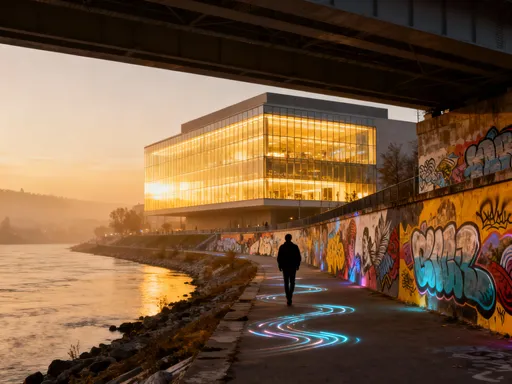
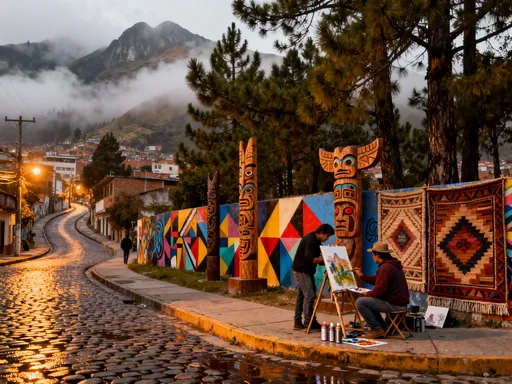
Just east of Old San Juan, Santurce emerges as the city’s beating artistic heart, a dynamic district where creativity transforms urban space into open-air galleries and cultural hubs. Once an overlooked residential area, Santurce has blossomed into a center for Puerto Rican art, music, and culinary innovation. Its most famous feature is the Mural Arts Project, a community-driven initiative that has turned entire blocks into vibrant canvases. These murals, painted by local and international artists, reflect themes of identity, resilience, and joy, turning ordinary streets into immersive visual experiences.
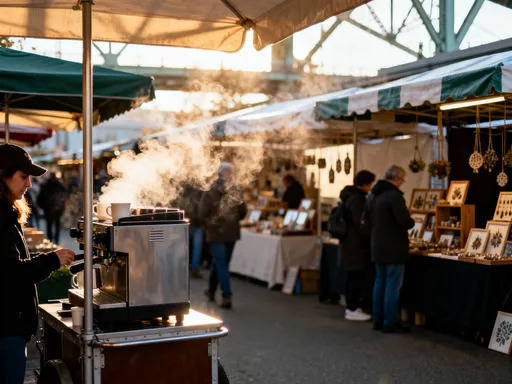
Walking along Calle Cerra, visitors encounter repurposed warehouses hosting art studios, pop-up exhibitions, and independent boutiques. The district’s creative energy is palpable, especially during monthly events like “La Placita de Santurce,” where food vendors, musicians, and artisans gather in a lively evening market. Unlike commercialized plazas, this space feels organic and community-focused, drawing both locals and in-the-know travelers. The atmosphere is festive yet relaxed, offering a genuine taste of how San Juan residents socialize and celebrate.
Art is not confined to walls. Galleries such as Museo de Arte de Puerto Rico and smaller spaces like La Respuesta showcase contemporary works that reflect the island’s complex cultural narrative. Even the architecture tells a story—mid-century buildings stand alongside colorful wooden houses, each with its own character. Santurce is also home to a growing number of chef-driven restaurants and cafés that emphasize local ingredients and traditional flavors with modern twists. Dining here feels like participating in a quiet revolution—one that values authenticity, sustainability, and creative expression.
For travelers seeking more than sightseeing, Santurce offers immersion. Workshops in painting, dance, or music are occasionally available through cultural centers, allowing guests to engage directly with local artists. The district’s transformation is not about gentrification but about reclamation—residents and creators are shaping a space that honors the past while embracing the future. In Santurce, art isn’t just observed; it’s lived.
Condado: Glamour with a Local Twist
Condado is often associated with luxury hotels, high-end shopping, and oceanfront dining, but beneath its polished surface lies a neighborhood with deep roots and quiet charm. While tourists flock to its beaches and rooftop bars, locals know Condado for its tree-lined avenues, family-friendly parks, and a slower, more grounded rhythm just steps from the glamour. The district stretches along a narrow strip between the Atlantic Ocean and the Laguna San Juan, offering a mix of natural beauty and urban comfort that few city neighborhoods can match.
The lagoon pathway, part of the larger San Juan Bay Estuary system, is a hidden gem for walkers and cyclists. Early mornings here are especially serene, with mist rising off the water and egrets wading along the shore. This 2.5-mile trail connects Condado to neighboring areas and provides a peaceful alternative to crowded sidewalks. Families stroll with strollers, joggers move in rhythm with the tide, and fishermen cast lines from quiet docks—scenes that reveal the neighborhood’s everyday life beyond the resort façade.
While luxury resorts dominate the oceanfront, Condado’s side streets are lined with locally owned cafés, bookshops, and small boutiques. Places like Café Regina and Librería Gaudino offer a more personal experience than chain stores, often run by residents who greet regulars by name. The district also hosts weekly farmers’ markets where visitors can sample tropical fruits, handmade cheeses, and freshly baked goods, supporting small producers from across the island.
Evening in Condado shifts from quiet to vibrant, but not in an overwhelming way. Sidewalk restaurants serve *arroz con gandules* and grilled seafood, and live music often spills from courtyard bars. Unlike the high-energy nightlife of other tourist zones, Condado’s evenings feel refined and accessible. For those staying in the area, renting an apartment through reputable platforms offers a chance to live like a local, with access to neighborhood parks, grocery stores, and the simple pleasure of watching the sunset from a balcony. Condado proves that elegance and authenticity can coexist.
Isla Verde: Beach Life Beyond the Resorts
Isla Verde is renowned for its golden sands and turquoise waters, but it is much more than a resort destination—it is a living, breathing community where beach culture is woven into daily life. While high-rise hotels line the coast, the beach itself belongs to everyone. Locals arrive early to claim spots under colorful umbrellas, children build sandcastles between waves, and runners follow the shoreline in the cool morning air. The rhythm here is relaxed but purposeful, shaped by the tides and the sun.
What sets Isla Verde apart is its collection of seaside kiosks—small, family-run stands serving everything from coconut water to *mofongo relleno* and *alcapurrias*. These casual eateries offer some of the most authentic Puerto Rican flavors in the city, prepared with care and served with a smile. Sitting on a plastic stool with salt spray in the air turns a simple meal into a sensory experience. The kiosks operate on a cash-only basis, adding to their old-school charm, and many have been run by the same families for generations.
Visitors who linger beyond sunset witness another side of Isla Verde. As the sky turns pink and orange, families gather for picnics, couples walk hand in hand, and musicians set up near the boardwalk. The atmosphere is warm and inclusive, with no sense of exclusivity. Public restrooms, showers, and shaded areas make the beach accessible and comfortable for all. Unlike more secluded coves, Isla Verde thrives on its social energy—this is where San Juan comes to unwind together.
For those seeking calm within the activity, small coves between hotels offer quieter stretches of sand. Snorkeling is possible near rocky outcrops, where reef fish dart among the coral. The district also has a strong sense of community stewardship, with regular beach cleanups and environmental education programs led by local organizations. Isla Verde reminds visitors that paradise isn’t just a view—it’s a way of life shared by those who live beside it.
Hato Rey: The Unexpected Urban Oasis
Hato Rey is often bypassed by travelers, dismissed as San Juan’s financial district, but this perception overlooks its rich green spaces and quiet plazas that offer a different kind of urban experience. Far from the tourist trail, Hato Rey reveals a side of the city where professionals unwind, families picnic, and nature thrives in the middle of commerce. The crown jewel is the Jardín Botánico de San Juan, a 20-acre botanical garden that houses over 500 species of tropical plants, including orchids, palms, and medicinal herbs.
The garden is more than a collection of plants—it’s a sanctuary. Pathways wind through shaded groves, past lily ponds and aviaries where colorful birds flutter freely. A small train offers a guided tour for children, and benches placed under canopies invite quiet reflection. The garden also hosts educational programs about native flora and conservation, making it a place of learning as well as beauty. For visitors, it’s a chance to slow down and reconnect with nature without leaving the city limits.
Nearby, Parque Luis Muñoz Marín offers open lawns, playgrounds, and walking paths frequented by locals after work. The plaza in front of the Banco Popular headquarters often hosts free concerts and cultural events, transforming a corporate space into a community stage. These moments reveal how Hato Rey balances its professional identity with a commitment to public life and well-being.
The district’s dining scene is equally grounded. Local cafeterias serve hearty *comida criolla*—stews, rice dishes, and fried plantains—at affordable prices, catering to office workers and residents alike. While there are no tourist attractions in the traditional sense, Hato Rey offers something more valuable: a glimpse into the everyday dignity of urban Puerto Rican life. It’s a reminder that cities are not just about landmarks, but about the spaces where people live, rest, and gather.
Río Piedras: Youth, Culture, and Authentic Flavor
Río Piedras, once a separate town and now part of metropolitan San Juan, pulses with the energy of youth and tradition. Home to the University of Puerto Rico’s main campus, the district buzzes with students, intellectuals, and cultural activists who keep its historic core alive. The heart of the neighborhood is the revitalized Plaza del Mercado, a covered market that has been restored as a hub for food, crafts, and community events. Here, the past and present converge in the most delicious ways.
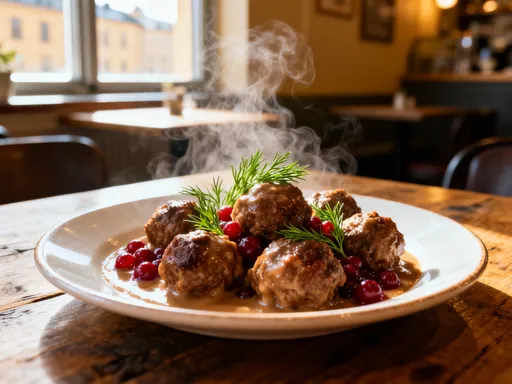
The marketplace is a feast for the senses. Vendors sell *pastelillos de chapín*, *empanadillas*, and *bacalaitos* fresh from the fryer, their golden crusts crackling with every bite. Fruit stands overflow with mangoes, guavas, and starfruit, while coffee stalls brew strong *cafe con leche* in chipped enamel cups. Unlike commercial food courts, this is food made with care, often by grandmothers and home cooks who’ve perfected their recipes over decades. Eating here feels like being welcomed into a family kitchen.
Surrounding the plaza, historic buildings with arched windows and tiled roofs house bookstores, music shops, and small theaters. The district hosts regular poetry readings, jazz nights, and film screenings, many of them free and open to the public. These events draw a diverse crowd—young students, elderly residents, and curious visitors—all sharing a love for culture and conversation. Río Piedras doesn’t perform authenticity; it lives it.
Walking through its streets, one notices murals honoring Puerto Rican heroes, bilingual street signs, and community gardens tended by local groups. The university’s presence brings constant renewal, yet the neighborhood holds fast to its roots. Families still gather on porches in the evening, and corner stores sell *piraguas* on hot afternoons. Río Piedras is not a museum of tradition but a living example of how culture evolves while staying true to itself. For travelers, it offers a rare chance to experience San Juan not as a spectacle, but as a community.
Connecting the Districts: Moving Like a Local
Exploring San Juan’s diverse neighborhoods is not just about where to go, but how to move. While renting a car offers flexibility, many districts are best experienced on foot, by public transit, or through rideshare services that allow for spontaneity. The city’s Metrobus and Tren Urbano systems provide affordable access to key areas, including Hato Rey and Río Piedras, though schedules should be checked in advance. For shorter distances, walking between Old San Juan and Santurce or along Condado’s lagoon path offers a chance to absorb details that speed would miss.
Rideshares like Uber and Lyft operate reliably in San Juan, making it easy to travel between districts without the stress of navigation or parking. This is especially useful for visiting Isla Verde in the evening or returning from a late market in Río Piedras. Taxis are available but should be arranged through hotels or reputable companies to ensure fair pricing. Biking is another option, with rental services expanding in tourist-friendly zones, though traffic and heat require caution.
Pacing is essential. Trying to see all seven districts in one day leads to fatigue and shallow experiences. Instead, travelers are encouraged to spend half a day in one area, allowing time to sit in a plaza, chat with a vendor, or linger over coffee. Early mornings are ideal for photography and quiet exploration, while late afternoons bring out local life. Weekends offer more events, but weekdays can be less crowded and more authentic.
Safety is generally good in the areas described, especially in well-lit, populated zones. As in any city, basic precautions apply—keeping valuables secure, avoiding isolated streets at night, and staying aware of surroundings. Most locals are welcoming and happy to offer directions or recommendations. Asking simple questions in Spanish, even with limited fluency, often opens doors to deeper connections. Moving like a local means embracing slowness, curiosity, and respect.
When travelers shift from ticking off landmarks to wandering with intention, San Juan reveals its true depth. Each district contributes a unique note to the city’s symphony—from the colonial echoes of Old San Juan to the youthful pulse of Río Piedras. Together, they form a mosaic that no single postcard could capture.
San Juan’s true beauty isn’t in postcard views—it’s in the rhythm of its districts, each with its own voice. By slowing down and exploring like a curious local, you don’t just visit—you connect. This is how travel becomes transformation.