You Won’t Believe What This Mountain City Hides in Its Art Scene
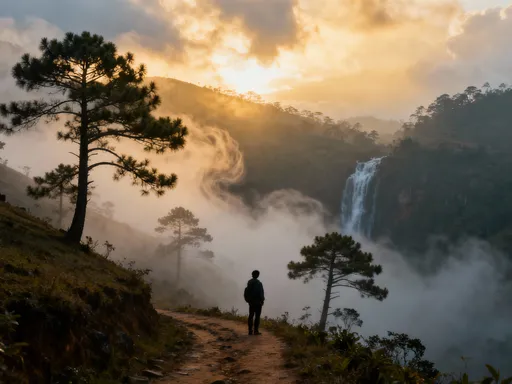
Nestled in the cool highlands of the Philippines, Baguio isn’t just about pine trees and strawberry farms—its soul beats through vibrant art and culture. As a city shaped by indigenous heritage, colonial history, and creative rebellion, it offers more than scenic views. From gallery walls to street murals, every corner tells a story. I was stunned by how deeply art is woven into daily life here—raw, real, and impossible to ignore. The crisp mountain air carries whispers of ancestral chants, the rhythm of chisels on wood, and the quiet focus of brushstrokes on canvas. This is not a city where art is confined to museums; it spills onto sidewalks, blooms on building facades, and lives in the hands of everyday people. Baguio’s creative pulse is both a legacy and a living evolution, inviting visitors to witness not just beauty, but meaning.
The Heartbeat of a Highland City: Art as Baguio’s Identity
Perched at over 5,000 feet above sea level, Baguio’s elevation does more than cool the tropical heat—it creates a climate where creativity thrives. The city’s crisp air and misty mornings have long attracted thinkers, writers, and artists seeking clarity and inspiration. Historically established as a hill station during the American colonial period, Baguio was envisioned as a retreat from the lowland heat. But over time, it evolved into something far more profound: a cultural sanctuary where identity is forged through artistic expression. The convergence of indigenous Cordilleran traditions, colonial influences, and modern Filipino resilience has shaped a unique artistic voice—one that is introspective, bold, and deeply rooted in community.
Art in Baguio is not merely decorative; it is a form of storytelling, resistance, and remembrance. After the devastation of World War II and the later struggles during the martial law era, creative expression became a means of reclaiming identity and voicing dissent. Murals, poetry, and performance art flourished in underground spaces, eventually gaining recognition as vital cultural records. Today, this legacy lives on in public festivals like the Panagbenga Festival, where floral floats are more than pageantry—they are moving canvases that celebrate local history, flora, and ancestral pride. The festival’s name, meaning "season of blooming" in the local Kankanaey language, reflects how art in Baguio is seen as a natural, seasonal force—something that emerges organically from the land and its people.
Local pride is visible in the way art integrates into daily life. Homes are adorned with hand-carved wooden details, markets sell woven textiles featuring traditional patterns, and schools incorporate indigenous music and dance into their curricula. This is not tourism-driven performance; it is lived culture. The city’s residents see themselves as custodians of a creative heritage, and their commitment ensures that art remains accessible, relevant, and evolving. Whether it’s a grandmother teaching her granddaughter to weave or a young graffiti artist painting a tribute to indigenous warriors, the act of creation is treated with reverence. In Baguio, art is not a luxury—it is a necessity, a language, and a lifeline.
BenCab Museum: Where Tradition Meets Contemporary Vision
At the edge of the city, winding along a quiet road surrounded by pine forests and rice terraces, lies the BenCab Museum—a sanctuary of Philippine art and a testament to the power of cultural fusion. Founded by National Artist Benedicto Cabrera, affectionately known as BenCab, the museum is more than a collection of paintings; it is a dialogue between past and present, rural and urban, sacred and modern. BenCab’s own works, which form the heart of the collection, explore themes of Filipino identity, sensuality, and spirituality, often drawing from indigenous myths and Catholic symbolism. His iconic “Sabel” series, depicting a marginalized scavenger woman transformed into a symbol of resilience and grace, has become a national touchstone for discussions on poverty, dignity, and artistic empathy.
The museum’s architecture itself is a work of art, blending traditional Ifugao and Bontoc design with contemporary aesthetics. Built on stilts, with wooden walls and thatched roofs, it harmonizes with the surrounding landscape rather than dominating it. Visitors walk through open-air corridors where the scent of wood and earth mingles with the quiet rustle of leaves. Each gallery space is carefully curated to guide the viewer through a journey—from BenCab’s early modernist experiments to his later, more introspective pieces. Alongside his works, the museum showcases art by other National Artists and emerging Cordilleran creators, emphasizing continuity and mentorship within the Philippine art world.
What sets BenCab Museum apart is its integration of art and nature. Sculptures are placed along forest trails, where sunlight filters through the canopy to illuminate bronze figures and stone carvings. The museum also hosts an organic garden and a café that serves locally sourced dishes, reinforcing the idea that creativity is connected to the land and its bounty. Educational programs, artist residencies, and cultural workshops are regularly held, ensuring that the museum remains a living, breathing institution rather than a static archive. For visitors, a trip to BenCab is not just an art viewing experience—it is a sensory immersion, a meditation on beauty, and a reminder of how deeply art can be rooted in place and people.
Mines View Park and the Artists’ Corner: Creativity on the Sidewalk
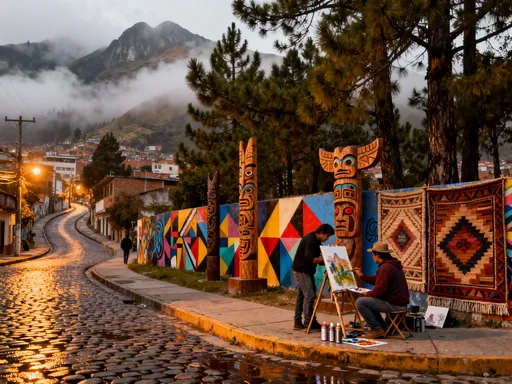
No visit to Baguio is complete without a stop at Mines View Park, a scenic overlook offering panoramic views of the valley below. But beyond the photo opportunities and souvenir stalls lies a quieter, more intimate attraction: the Artists’ Corner. Nestled just outside the park’s main entrance, this open-air stretch of sidewalk has become a living studio where local painters work in real time, capturing portraits, landscapes, and cultural scenes with quiet dedication. Rows of easels line the pavement, each occupied by an artist focused on their craft, brush in hand, palette balanced on their knee. The atmosphere is calm, almost meditative, as tourists pause to watch, ask questions, or commission a personal keepsake.
What makes Artists’ Corner remarkable is its accessibility. Unlike formal galleries, there are no entry fees, no curators, and no barriers between creator and observer. Visitors can watch a portrait take shape stroke by stroke, engage in conversation with the artist, and even request custom details—adding a favorite flower, a family pet, or a traditional headdress to a painted likeness. This direct interaction transforms art from a distant object into a shared experience. Many of the artists here are self-taught or graduates of local art schools who choose to work in this public space as a way to sustain their practice while staying connected to the community.
Portrait-making, in particular, holds deep cultural significance. In a society where family and ancestry are highly valued, a hand-painted portrait is more than a souvenir—it is a tribute, a keepsake, a piece of personal history. The artists at the corner often use watercolor, pastel, or acrylics, adapting their style to suit different preferences while maintaining a distinctly Filipino aesthetic. Some specialize in traditional attire, painting subjects in indigenous costumes from the Cordillera region, complete with intricate beadwork and woven fabrics. Others focus on modern interpretations, blending realism with subtle stylization. Every piece carries the mark of its maker, a testament to individual skill and vision.
Beyond economic livelihood, Artists’ Corner represents a quiet act of cultural preservation. In an age of digital photography and instant images, the slow, deliberate process of hand-painting resists the rush of modern life. It honors patience, attention, and craftsmanship. For visitors, especially families, the experience of sitting for a portrait or watching a loved one’s face emerge on canvas can be deeply moving. It is a moment of stillness, of being seen and remembered. The Artists’ Corner, though modest in appearance, stands as a powerful symbol of how art can thrive in the most ordinary of spaces—on a sidewalk, under the open sky, in the heart of a bustling city.
Session Road and Hidden Galleries: Urban Spaces That Breathe Art
Once known primarily as Baguio’s main commercial artery, Session Road has undergone a quiet transformation over the past two decades. What was once a stretch of department stores and fast-food chains now pulses with creative energy, dotted with independent galleries, art cafés, and pop-up exhibition spaces. This evolution reflects a broader shift in how the city values its cultural identity—choosing to preserve artistic character even as modernization progresses. Walking down Session Road today is not just a shopping experience; it is a curated journey through layers of creative expression, where every turn reveals a new piece of the city’s soul.
Small galleries like West Gallery and C-Station have become vital platforms for emerging artists, particularly those from the Cordillera region. These spaces, often tucked above shops or within converted colonial-era buildings, showcase everything from abstract paintings to mixed-media installations. Exhibitions change monthly, ensuring a dynamic and ever-evolving lineup. What’s striking is the intimacy of these venues—visitors can speak directly with gallery owners, read artist statements handwritten on index cards, and sometimes even meet the creators during opening nights. This closeness fosters a sense of trust and connection, making art feel personal rather than intimidating.
Equally significant are the art cafés that double as exhibition spaces. Places like The Manor Café and Café by the Ruins integrate visual art into the dining experience, rotating displays of local photography, sketches, and textile art. Patrons sip coffee beneath charcoal drawings of mountain landscapes or beside framed weavings passed down through generations. These hybrid spaces reflect a uniquely Baguio approach to art: it should be lived with, not locked away. Even the city’s public spaces contribute to this vision—lampposts display poetry, benches are painted with cultural motifs, and sidewalks feature embedded tiles with indigenous symbols.
Urban renewal projects have played a crucial role in this transformation. Rather than erasing the old to make way for the new, city planners and community leaders have prioritized adaptive reuse—restoring historic buildings while allowing them to serve contemporary purposes. The Baguio Cathedral, though primarily a place of worship, hosts seasonal art displays in its plaza, blending spirituality with creativity. Similarly, the old post office building now houses cultural events and artist talks. This respect for history ensures that Baguio’s modern identity is not a break from the past, but a continuation of it. Session Road, once a symbol of commercialism, has become a cultural corridor where art and everyday life coexist in harmony.
Tam-awan Village: A Cultural Haven for Indigenous Expression
Just a short drive from the city center, nestled in a quiet ravine surrounded by towering pine trees, lies Tam-awan Village—a living tribute to Cordilleran heritage and indigenous artistry. More than just a tourist attraction, Tam-awan is a reconstructed Ifugao and Kalinga village designed to preserve and promote ancestral knowledge through hands-on experience. The village features traditional houses built on stilts, with cogon grass roofs and wooden walls carved with symbolic patterns. Each structure serves a purpose—not as a museum exhibit, but as a functional space where cultural practices are taught, shared, and sustained.
At the heart of Tam-awan’s mission is the transmission of traditional crafts. Regular workshops in wood carving, weaving, pottery, and tattooing allow visitors to engage directly with master artisans. In the weaving house, elders demonstrate how to use the backstrap loom, a technique passed down for generations, to create textiles adorned with geometric patterns that tell stories of origin, migration, and spiritual belief. In the carving shed, apprentices shape narra and molave wood into ancestral figures, their tools moving with practiced precision. These are not demonstrations for show; they are acts of cultural survival, ensuring that skills at risk of being lost are revived and carried forward.
What makes Tam-awan truly transformative is its emphasis on participation. Visitors are not passive observers—they are invited to try their hand at weaving, mold clay on a potter’s wheel, or learn the basics of traditional tattooing using natural dyes. This hands-on approach fosters a deeper understanding of the time, skill, and meaning behind each craft. A simple woven band, for instance, may take weeks to complete and carry spiritual significance, representing a connection to ancestors and the natural world. By engaging in the process, visitors gain respect for the depth of indigenous knowledge and the resilience of communities that continue to uphold these traditions.
The village also hosts cultural performances, including chants, dances, and storytelling sessions, often led by elders who speak in local dialects. These moments are not staged for entertainment but shared as gifts of wisdom. The sound of the gangsa (gong) echoing through the trees, the rhythm of foot-stamping dances, and the recitation of oral epics create an atmosphere of reverence and continuity. Tam-awan Village stands as a powerful reminder that art is not separate from life—it is woven into it, shaping identity, memory, and belonging. In a world where globalization threatens cultural homogenization, Tam-awan offers a model of preservation through active, living practice.
Pine Tree Art Installations and Public Murals: When the City Becomes a Canvas
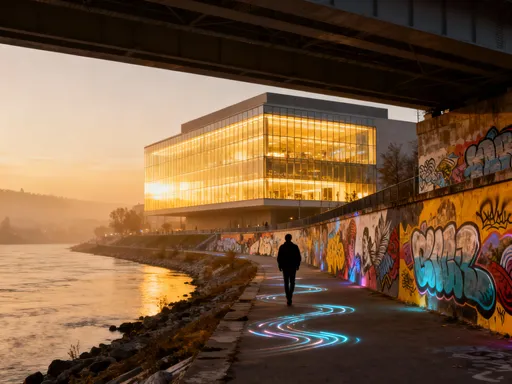
As you walk through Baguio’s neighborhoods, you may notice something unexpected: pine trees wrapped in fabric, painted with symbols, or adorned with woven messages. These are not random decorations—they are part of a growing movement to transform the city itself into a living gallery. Public art projects have flourished in recent years, turning neglected walls, utility boxes, and even storm drains into vibrant storytelling spaces. Murals depict scenes from Cordilleran mythology, historical events like the 1986 People Power movement, and contemporary social themes such as environmental protection and indigenous rights. Each piece is a conversation starter, a way for artists to engage the public on issues that matter.
One of the most impactful initiatives is the annual “Walls of Relevance” project, where local and visiting artists collaborate to revitalize underpass areas and abandoned buildings. What were once dark, graffiti-covered spaces have become bright, thought-provoking galleries. A mural in the Irisan neighborhood, for example, portrays a mother and child standing before a mountain range, their bodies merging with the landscape—a powerful metaphor for the connection between people and land. Another in Camp John Hay shows a giant hand cradling a pine tree, with the words “We Are the Keepers” written beneath. These works do more than beautify; they inspire reflection and community pride.
Youth-led collectives have been instrumental in this movement. Groups like Artforces and Cordillera Art Network provide training and materials for young artists, many of whom come from marginalized backgrounds. Through mural painting, zine-making, and street performances, they find a voice and a sense of purpose. Schools and local governments have begun to recognize the value of these programs, integrating them into youth development initiatives. The result is a new generation of artists who see public art not as rebellion, but as responsibility—a way to heal, educate, and unite.
Even the city’s famous pine trees have become part of the artistic narrative. During festivals, some are wrapped in colorful abel cloth or hung with hand-painted signs celebrating local heroes. These temporary installations are not harmful to the trees; they are symbolic gestures, reminding residents and visitors alike of the city’s living heritage. In Baguio, art is not confined to frames or pedestals—it climbs walls, wraps around trunks, and flows through the streets. The city, in all its layers, becomes the canvas, and every resident, in some way, becomes a co-creator.
Why Baguio’s Art Scene Matters—And How to Experience It Fully
Baguio’s art scene is more than a collection of galleries and murals—it is a reflection of resilience, identity, and community. In a country where urban development often overshadows cultural preservation, Baguio stands as a model of how creativity can thrive alongside progress. Its art is not imported or imitated; it is homegrown, rooted in the land, language, and lived experiences of its people. From the quiet focus of a painter at Artists’ Corner to the bold statements of public murals, every expression carries weight. This is art that remembers, heals, and dreams.
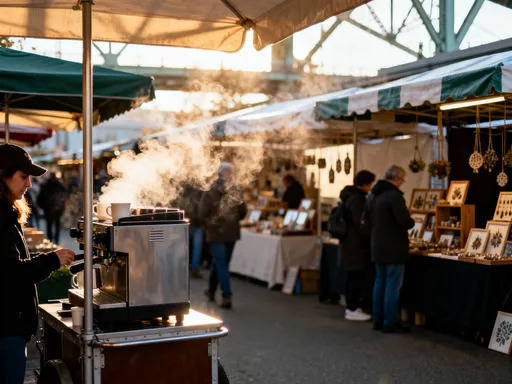
For visitors, experiencing Baguio’s art fully requires more than a checklist of attractions. It begins with slowing down—taking time to talk to artists, ask about their process, and listen to their stories. The best times to visit galleries are weekday mornings, when crowds are thin and conversations are easier. During festivals like Panagbenga or the Baguio Arts Festival, the city comes alive with performances, pop-up exhibits, and cultural parades, offering a deeper immersion. When purchasing art, whether a small sketch or a hand-carved sculpture, it is important to buy directly from the artist or a reputable cooperative, ensuring that support goes straight to the creator. Avoid mass-produced imitations sold in tourist markets; instead, seek out authentic pieces that carry the mark of individual craftsmanship.
Responsible engagement also means respecting cultural context. When visiting spaces like Tam-awan Village or attending traditional performances, observe quietly, ask permission before taking photos, and follow local guidance. These are not performances for entertainment but expressions of living heritage. Supporting local art also extends beyond purchases—attending workshops, sharing stories on social media, or simply spreading word of appreciation helps sustain the ecosystem.
In the end, Baguio is not just a destination. It is a living gallery, a creative sanctuary, a testament to the enduring power of art. It reminds us that beauty is not only in the eye of the beholder, but in the hands of the maker, the heart of the community, and the spirit of a place that refuses to be forgotten. To walk through Baguio is to walk through a story—one painted, carved, sung, and lived. And once you’ve felt its rhythm, you carry a piece of it with you, long after you’ve left the mountains behind.