Lost in the Mist: Where Da Lat’s Wild Beauty Steals Your Breath
Nestled high in Vietnam’s Central Highlands, Da Lat feels like a secret the earth has kept for centuries. Cradled by pine forests, cascading waterfalls, and flower-blanketed valleys, this cool mountain retreat offers more than just fresh air—it invites true exploration. I wandered without a map and found magic in every turn: roaring waterfalls, silent lakes, and trails that vanish into clouds. This isn’t just a getaway; it’s a rediscovery of nature’s raw wonder, waiting quietly beneath the mist. For travelers seeking both serenity and gentle adventure, Da Lat delivers a rare gift: the chance to slow down, breathe deeply, and reconnect with the quiet pulse of the natural world. It’s not about ticking off landmarks, but about letting the landscape speak to something deeper within.
The Allure of the Highlands: Why Da Lat Beckons Explorers
Perched at an elevation of approximately 1,500 meters above sea level, Da Lat stands apart from the humid lowlands and bustling coastal cities that define much of Vietnam’s popular tourism landscape. Here, the air carries a crispness uncommon in Southeast Asia—cool mornings give way to soft, sun-dappled afternoons, and evenings often settle into a gentle chill that invites a light sweater or shawl. This temperate climate, a legacy of the city’s French colonial past when it was developed as a hill station, remains one of its most compelling features. Unlike tropical beach destinations where heat can overwhelm, Da Lat offers comfort that encourages outdoor movement, long walks, and unhurried discovery.
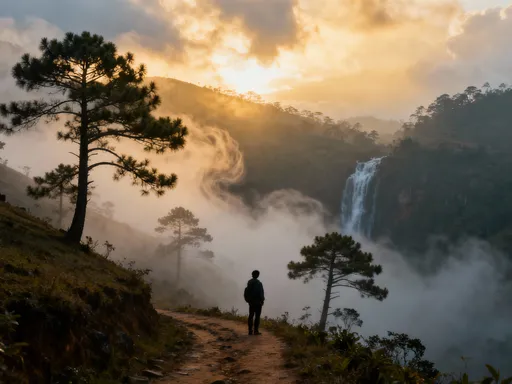
The city’s geography shapes not only its weather but also its atmosphere. Surrounded by rolling hills, dense pine forests, and undulating valleys, Da Lat feels secluded, almost suspended in time. Eucalyptus and pine trees dominate the scent profile, replacing the salt and spice of the coast with something woodsy and calming. Mist frequently curls around hilltops in the early hours, dissolving tree lines and softening edges until the world feels painted in watercolor. This ethereal quality—part dream, part reality—draws visitors seeking not just scenic beauty but emotional respite.
For women between 30 and 55, many of whom balance caregiving, household responsibilities, and personal aspirations, Da Lat presents a rare opportunity: a destination that doesn’t demand energy but restores it. There’s no pressure to rush, no need to navigate chaotic streets or crowded markets. Instead, the rhythm here is one of quiet observation—of watching light filter through tall pines, of listening to the distant rush of water, of feeling the earth beneath hiking boots or the smooth wood of a lakeside bench. The highland environment supports mindfulness, offering a natural backdrop for reflection, rejuvenation, and subtle adventure.
Moreover, Da Lat’s layout makes it accessible without sacrificing authenticity. While it has grown in popularity, it remains compact enough to explore without logistical strain. Transportation options are straightforward—rental bicycles, motorbikes, or private cars with local drivers allow for flexible pacing. The city’s elevation also means that physical activity, such as walking or light hiking, feels less taxing than in hotter climates, making it ideal for travelers who may not consider themselves highly athletic but still desire meaningful engagement with nature.
Waterfalls That Roar: Chasing the Pulse of Nature
Among Da Lat’s most powerful natural attractions are its waterfalls, each a testament to the region’s abundant rainfall and dramatic terrain. Three stand out for their beauty, accessibility, and distinct character: Prenn Falls, Datanla Falls, and Elephant Falls. While all are within reasonable reach of the city center, each offers a different experience—some more curated, others wilder and more immersive. Together, they form a triptych of natural energy, sound, and motion that captures the soul of the highlands.
Prenn Falls, located about 10 kilometers southwest of Da Lat, is perhaps the most developed of the three, yet it retains a sense of grandeur. A wide curtain of water tumbles over moss-covered rocks into a deep pool below, often sending up fine sprays that catch the sunlight and form fleeting rainbows. A spiral bridge allows visitors to descend gradually, offering changing perspectives of the cascade. Cultural performances by local ethnic groups are sometimes held nearby, adding a human dimension to the natural spectacle. While the site sees steady foot traffic, early mornings offer a quieter experience, when mist still clings to the trees and the roar of the falls feels more intimate.
Datanla Falls, closer to the city, provides a more adventurous route to its base. Visitors can choose between a steep staircase of over 1,000 steps or a thrilling zipline and downhill toboggan ride that weaves through the forest canopy. This dual option makes Datanla appealing to both thrill-seekers and those who prefer a more contemplative descent. The falls themselves are narrower but no less powerful, plunging through a lush gorge where ferns and moss thrive in the constant moisture. The surrounding vegetation is dense and vibrant, creating a tunnel of green that amplifies the sound of rushing water.
Elephant Falls, or Thac Voi, lies about 25 kilometers from Da Lat and earns its name from the shape of ancient rock formations said to resemble elephant trunks reaching into the water. Less commercialized than Prenn, it offers a more rugged experience. The falls split into multiple streams as they descend, creating a complex rhythm of splashes and echoes. A network of trails allows for exploration from different vantage points, including a footbridge that spans part of the cascade. Because it’s slightly farther from the city, visitor numbers are lower, especially on weekdays, making it ideal for those seeking solitude. The surrounding area is rich in biodiversity, and with quiet observation, one might spot kingfishers, dragonflies, or even small mammals near the water’s edge.
When visiting any of these waterfalls, practical considerations enhance safety and enjoyment. Sturdy footwear with good grip is essential, as rocks near the falls can be slippery. Carrying water, a light snack, and rain gear—even on clear days—is advisable, as mountain weather shifts quickly. Most importantly, respecting barriers and signage ensures both personal safety and the preservation of these fragile ecosystems. The power of the falls is not just in their beauty but in their reminder of nature’s untamed force—a force that commands respect as much as admiration.
Into the Clouds: Hiking Trails That Lead Nowhere (And Everywhere)
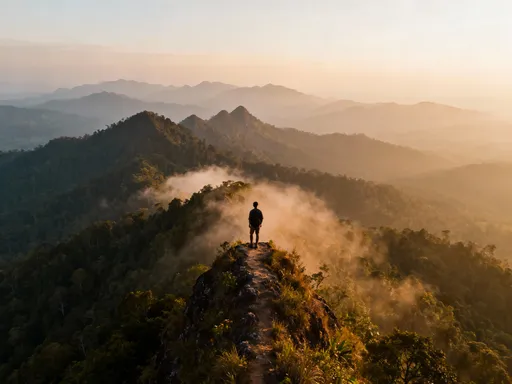
Hiking in Da Lat is less about reaching a summit and more about surrendering to the journey. The region’s network of trails—ranging from well-marked paths to faint forest tracks—invites a different kind of travel, one defined by presence rather than destination. Among the most popular is the ascent of Lang Biang Mountain, the highest peak in the area. While the summit offers panoramic views, the true magic often lies in the climb itself: the scent of damp earth, the rustle of unseen creatures, the way the light changes as clouds drift across the sun.
Lang Biang’s main trail is accessible from several points, with the most common starting at the official park entrance. The hike takes about two to three hours round-trip, depending on pace, and is manageable for most fitness levels. Along the way, markers indicate elevation and notable flora, including rare pine species and wild orchids. What makes this trek special is its unpredictability—fog can roll in suddenly, reducing visibility to just a few meters, transforming the forest into a mysterious, almost otherworldly space. In those moments, the path ahead disappears, and all that remains is the sound of breath, the crunch of gravel, and the occasional birdcall cutting through the silence.
For those seeking quieter routes, the trails around Tuyen Lam Lake offer a more meditative experience. These paths wind through pine groves and open clearings, often skirting the lake’s edge where reflections of mountains shimmer on calm mornings. Unlike the more tourist-focused areas, these trails see fewer visitors, allowing for solitude and introspection. Some routes connect to small monasteries or tea houses tucked into the hills, where a pause for herbal tea becomes part of the journey. These spaces, simple and unadorned, reflect the quiet dignity of the landscape.
Preparation enhances the hiking experience without diminishing its spontaneity. Lightweight, moisture-wicking clothing is ideal, as temperatures can vary significantly between morning and midday. A small backpack with water, a snack, a compact rain jacket, and a basic first-aid kit covers most needs. While GPS-enabled devices can help with navigation, many find greater satisfaction in moving without constant tracking—allowing the trail to unfold naturally. The goal is not to conquer the mountain but to walk with it, to let the rhythm of footsteps sync with the pulse of the land.
For women who spend much of their lives managing schedules, meeting others’ needs, and maintaining order, these hikes offer a rare freedom: the permission to wander without purpose, to get slightly lost, to be uncertain. There is healing in that uncertainty, in the realization that not every path must lead somewhere measurable. Sometimes, the most meaningful journeys are those that simply allow us to breathe, to notice, to be.
Lakes of Stillness: Where the Mountains Pause to Reflect
If the waterfalls represent Da Lat’s energy, its lakes embody its stillness. Spread across the highlands, these bodies of water serve as mirrors, capturing the sky, the trees, and the quiet movement of clouds. Tuyen Lam Lake, the largest in the region, is a haven of tranquility. Ringed by pine forests and distant peaks, it offers a sense of vastness without overwhelming scale. Kayaking and paddleboarding are available for those who wish to glide across the surface, but even sitting on a wooden dock with a book or a cup of tea can feel like a form of meditation.
Access to Tuyen Lam is straightforward—private vehicles or hired motorbikes can reach the lake in about 20 minutes from the city center. Several eco-lodges and cafes line the shores, many built with sustainable materials and designed to blend into the landscape. These spaces prioritize quiet enjoyment over commercial activity, with low-volume music, locally sourced food, and seating arranged to maximize views. Visitors are encouraged to leave no trace, a practice that preserves the lake’s serenity for others.
Xuan Huong Lake, located closer to downtown Da Lat, presents a different character. Shaped like a crescent, it is more accessible and thus more frequented by tourists and locals alike. Walking paths encircle the lake, ideal for gentle strolls or morning jogs. Bicycle and swan-shaped paddle boat rentals add a touch of whimsy, particularly for families. While it lacks the remote feel of Tuyen Lam, Xuan Huong has its own charm—especially at dawn, when mist rises from the water and the city is still quiet. This is a place of gentle activity, where the pace remains unhurried and the atmosphere remains kind.
Smaller, lesser-known alpine ponds dot the countryside, often visible only to those who venture off main roads. These hidden pools, sometimes no more than a few meters wide, are fed by mountain springs and surrounded by ferns and moss. They appear unexpectedly—a surprise gift to the observant traveler. Their stillness is profound, broken only by the occasional ripple of a frog or the dip of a bird’s wing. In a world that rarely pauses, these lakes offer a lesson in reflection—not just of the sky, but of the self.
The emotional power of still water is well documented. Psychologically, calm surfaces evoke feelings of peace, clarity, and balance. In Da Lat, where the terrain is constantly shifting—hills rising, clouds moving, water falling—the lakes provide necessary counterpoint. They remind us that stillness is not emptiness, but fullness held in suspension. For women navigating complex lives, these spaces offer a quiet invitation: to sit, to breathe, to simply be, without doing.
Hidden Valleys and Flower Kingdoms: Nature’s Living Canvas
Da Lat is often called the “City of Eternal Spring,” and nowhere is this more evident than in its flower gardens and cultivated valleys. The Valley of Love, despite its tourist-friendly reputation, remains a place of genuine beauty. Winding paths lead through tunnels of bougainvillea, past fountains, and into open clearings where seasonal blooms explode in color. While some areas feel designed for photos, quieter corners invite slower exploration—where the scent of roses lingers in the air and the hum of bees replaces the murmur of voices.
The Da Lat Flower Gardens, located near the city center, offer a more structured but equally enchanting experience. Spread over several terraced levels, the gardens showcase thousands of varieties—chrysanthemums, marigolds, geraniums, and more. Orchids, in particular, thrive in the cool, moist climate, and dedicated greenhouses display rare and fragrant species. Unlike mass-produced floral displays, these gardens feel alive, maintained by local horticulturists who take pride in their work. Informational signs, while not extensive, provide basic details about plant types and growing conditions.
Beyond the main attractions, smaller family-run nurseries and experimental farms offer more intimate encounters with Da Lat’s floral abundance. Some operate as eco-tourism sites, allowing visitors to walk among rows of flowers, learn about sustainable growing practices, and even participate in gentle harvesting. These experiences are not about spectacle but about connection—between people and plants, between labor and beauty. They also support local livelihoods, ensuring that tourism benefits the community directly.
Sustainable viewing practices enhance these visits. Staying on marked paths prevents damage to delicate roots and soil. Avoiding the picking of flowers—unless explicitly permitted—preserves the display for others. Speaking quietly and moving slowly allows for deeper observation, turning a casual walk into a mindful practice. In these spaces, beauty is not passive; it is a living, growing force that responds to care and respect.
For many women, flowers carry emotional resonance—symbols of care, memory, and renewal. Seeing them grow so freely, so abundantly, in a place so naturally suited to their needs, can feel deeply affirming. It’s a reminder that growth takes time, that beauty emerges from consistent attention, and that some things flourish best when left to their own rhythms.
Beyond the Brochure: Offbeat Wonders Only Locals Know
While guidebooks highlight Da Lat’s major sites, some of its most meaningful experiences lie beyond the printed page. These are the places shared through conversation, discovered by chance, or revealed by a local driver who knows the backroads. Among them are family-run coffee farms nestled in forest clearings, where visitors can taste freshly brewed Arabica grown at high altitude. The process—from bean to cup—is often demonstrated with quiet pride, and the resulting brew, smooth and rich, carries the essence of the highlands.
Another hidden gem is the cluster of abandoned French colonial villas scattered in the outskirts. Overgrown with vines and softened by time, these structures whisper stories of another era. Some are off-limits, still privately owned, but others have been repurposed as cafes, galleries, or boutique stays. Exploring them requires respect—no trespassing, no graffiti, no removal of materials—but when done ethically, these visits become acts of quiet remembrance, honoring the layers of history embedded in the landscape.
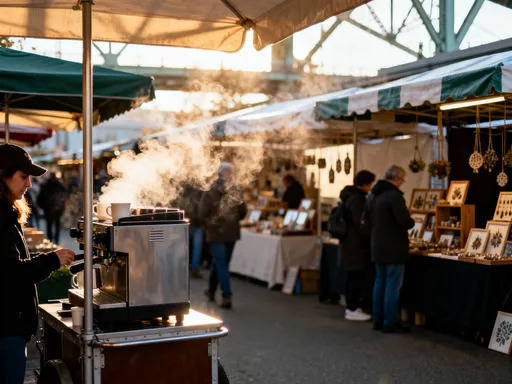
Local markets, especially the early-morning vegetable market near the city center, offer another form of discovery. Here, farmers from surrounding villages arrive before dawn, their baskets filled with fresh produce—purple carrots, mountain greens, wild herbs, and edible flowers. The air is thick with earthy scents, and the rhythm of trade is unhurried. Engaging with vendors, even with limited language, fosters connection. A smile, a gesture, a shared moment of appreciation—these small exchanges enrich the travel experience far more than any checklist ever could.
Supporting small eco-tours and community-based initiatives ensures that tourism remains sustainable and equitable. Many local guides offer personalized walks, sharing not just facts but stories—the legend behind a rock formation, the medicinal use of a certain plant, the best spot to watch the sunrise over the valley. These narratives deepen the landscape, transforming it from scenery into lived experience. They remind us that every place has a soul, shaped by those who call it home.
Returning Changed: Why True Exploration Leaves Its Mark
Leaving Da Lat is not like closing a book; it’s like waking from a dream you didn’t realize was changing you. The crisp air, the scent of pine and wet earth, the quiet between sounds—these linger long after the journey ends. Travelers often return home with more than photographs; they carry a shift in rhythm, a slower breath, a renewed sense of what matters. In a world obsessed with efficiency and visibility, Da Lat teaches the value of slowness, of presence, of unscripted moments.
True exploration is not about collecting destinations but about allowing places to collect pieces of us—our attention, our stillness, our openness. Da Lat, with its misty trails, roaring falls, and reflective lakes, does not dazzle with grandeur but disarms with sincerity. It asks nothing of visitors except that they be willing to notice, to feel, to pause. And in that simplicity lies its power.
For women who give so much of themselves to others, this kind of travel is not indulgence—it is restoration. It is a reminder that self-care is not selfish, that wonder is not reserved for the young or the adventurous, and that beauty, in its purest form, is always within reach. Da Lat does not shout; it whispers. But if you listen closely, it might just change the way you listen to everything else.