You Won’t Believe What Dammam’s Markets Hide—It’s Not Just Shopping
Dammam isn’t just about malls and souks—it’s where shopping meets soul. I wandered through its buzzing streets, expecting deals and dates, but found something richer: flavor. Every market lane led to a kitchen bursting with tradition, where spices tell stories and every bite feels like belonging. This city doesn’t just sell food—it shares it. If you think Saudi shopping is only about gold and perfumes, think again. Dammam serves up culture on a plate, and you’re invited.
Beyond the Mall: The Real Heart of Dammam’s Shopping Scene
Dammam’s shopping culture thrives at the intersection of old and new. While Al Rashid Mall stands as a symbol of modern convenience, with its climate-controlled corridors and international brands, it is the city’s traditional markets that pulse with life. These are not merely places to spend money—they are where families gather, neighbors reconnect, and traditions are quietly passed down. In the early morning light, market stalls come alive with the rustle of date boxes being stacked and the clink of spice jars being arranged. The air hums with a rhythm all its own, shaped by generations of traders who know their customers by name.
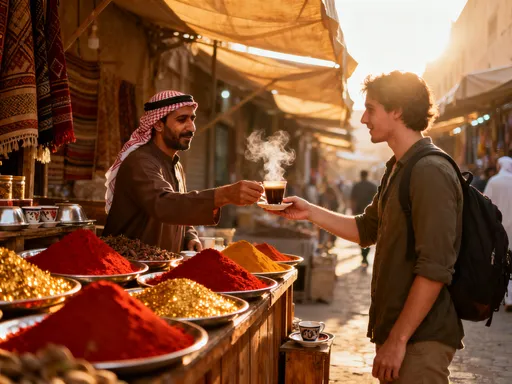
Walking through Dammam’s local souks, one quickly realizes that shopping here is not a hurried errand. It is a sensory experience, layered with sound, scent, and interaction. Vendors call out not with aggressive sales pitches, but with warm invitations—offering a pinch of saffron to smell, a taste of freshly cracked cardamom, or a date so sweet it dissolves like honey on the tongue. These gestures are not about closing a sale; they are acts of hospitality, rooted in a culture where generosity is as valuable as gold. Bartering, when it happens, is less about price and more about connection—a playful exchange that ends in laughter and mutual respect.
What sets Dammam apart is how seamlessly food is woven into the fabric of commerce. Unlike shopping districts in other cities where dining is an afterthought, here, every market lane seems to lead to a steaming grill or a bubbling pot of soup. A woman buying rice for dinner might pause to accept a cup of qahwa from a nearby stall owner. Children tug at their parents’ hands, not toward toy shops, but toward stands selling falafel wrapped in warm bread. In this way, the marketplace becomes more than a place to shop—it becomes a living room for the community, where meals are shared as freely as stories.
Flavor as a Destination: Why Specialty Dining Defines the City
Dammam is quietly emerging as a destination for those who travel to eat. While it may not yet be listed among the world’s top culinary capitals, those who take the time to explore its streets discover a city where food is not an accessory to life, but its very heartbeat. Local dishes like kabsa—a fragrant rice dish layered with spiced meat—and madhbi, a slow-grilled meat specialty, are more than meals; they are expressions of identity. Each bite carries the influence of the Arabian Gulf’s coastline, the desert’s resilience, and centuries of trade that brought spices from India, Persia, and beyond.
What makes Dammam’s cuisine particularly compelling is its authenticity. Unlike in cities where traditional food is adapted for tourist palates, here, the flavors remain true to home cooking. Family-run eateries, often tucked behind unassuming facades, serve dishes prepared the same way for decades. A pot of lentil soup simmers all morning, absorbing the depth of slow cooking. Fish, caught just hours before at the Corniche, is grilled over open flames and served with a squeeze of lemon and a side of fiery salsa. There is no need for elaborate presentation; the food speaks for itself.
The city’s coastal location plays a vital role in shaping its culinary character. Fresh seafood is not a luxury—it is a daily staple. At local fish markets, vendors display their catch on beds of ice, their voices rising in friendly competition as they call out the day’s freshest offerings. A shopper might select a whole hamour or kingfish, then hand it to a nearby grill master who will prepare it on the spot, brushing it with a mix of olive oil, garlic, and coriander. This immediacy—from sea to skillet in under an hour—is a hallmark of Dammam’s food culture, one that rewards those who appreciate freshness and simplicity.
Markets That Feed the Soul: Where Shopping Meets Eating
In Dammam, the line between shopping and dining is beautifully blurred. Some of the most memorable meals are not found in restaurants, but in the heart of the marketplace, where commerce and cuisine exist side by side. Take, for example, the dhabiha markets, where families come to select fresh lamb for special occasions. These are not sterile butcher shops—they are vibrant spaces where the animal is prepared with care and respect, and where the scent of cumin and grilled meat fills the air. What makes these places extraordinary is that you can buy your meat and, within minutes, watch it transformed into a meal over open flames.
Similarly, spice stalls are more than points of sale—they are sensory laboratories. Rows of glass jars hold turmeric, black lime, sumac, and dried rose petals, each with its own story and use. A skilled vendor will not only weigh your purchase but also explain how to use it—how a pinch of saffron can elevate a rice dish, or how dried limes add a tangy depth to soups. Some even offer a small cup of qahwa infused with the very spice you’re buying, allowing you to taste its essence before taking it home. This is not retail; it is education, hospitality, and tradition all in one.
These hybrid spaces reflect a deeper truth about Dammam: that food is not something to be rushed or consumed in isolation. It is a communal act, one that strengthens bonds and preserves memory. A woman buying ingredients for her daughter’s wedding feast might share a meal with the spice seller, exchanging recipes and stories. A man picking up ingredients for dinner might linger to taste a new blend, then decide to invite his neighbors over. In this way, the marketplace becomes a stage for daily rituals, where every transaction is also an opportunity for connection.
The Art of the Food Find: How to Discover Hidden Culinary Gems
Finding the best food in Dammam requires more than a map—it demands curiosity and patience. The most authentic meals are rarely advertised with flashy signs or social media campaigns. Instead, they reveal themselves through subtle clues: a line of locals waiting at a roadside stall, the sound of laughter from a back-room kitchen, or the sight of an elderly man carefully folding flatbread by hand. For the visitor, the key is to slow down, observe, and follow the rhythm of daily life.
One of the most reliable strategies is to follow the locals. If you see a group of workers on a break, clustered around a small cart serving steaming bowls of jareesh, it’s a good sign. These are places that have earned loyalty through consistency and flavor, not marketing. Another indicator is activity—stalls where ingredients are being chopped, grilled, or stirred by hand tend to offer fresher, more thoughtful food than those relying on pre-packaged items. The best vendors take pride in their craft, and that pride shows in the care they put into every dish.
Engagement is equally important. Don’t hesitate to ask questions—many vendors are happy to explain what they’re cooking, how it’s made, or what makes their version special. A simple “How do you prepare this?” can lead to a longer conversation, perhaps even an invitation to taste. Accepting a cup of tea or a small sample is not just polite; it is a way of showing respect and openness. These small gestures build trust and often lead to discoveries that no guidebook could offer—like a hidden courtyard where an elderly woman serves her family’s secret kabsa recipe only on weekends.
Equally important is knowing what to avoid. Overly commercialized spots, especially those near major tourist areas, often prioritize speed and volume over quality. They may offer familiar dishes, but the flavors can feel diluted, adapted to suit a broader audience. The magic of Dammam’s food scene lies in its authenticity, and that authenticity is best found where life unfolds naturally—on side streets, in neighborhood markets, and in the hands of those who cook not for fame, but for love.
From Basket to Bite: The Journey of Local Ingredients
To understand Dammam’s cuisine is to follow the journey of its ingredients—from sea, sand, and soil to the family table. Each component of a meal carries a story of origin and care. Take the fish, for example. Every morning, before the sun climbs high, boats return to the Corniche with their nets full of the Gulf’s bounty. Within hours, the catch is cleaned, scaled, and displayed in market stalls, still glistening with seawater. There is no long supply chain, no weeks in cold storage—just a swift passage from ocean to plate, ensuring unmatched freshness.
Dates, another cornerstone of the local diet, are selected with equal care. Dammam’s markets offer a variety of dates—Sukkari, Khudri, Ajwa—each with its own texture and sweetness. Vendors inspect each batch for ripeness and quality, often offering samples so customers can choose based on taste. These dates are not just snacks; they are ingredients in savory dishes, sweeteners in drinks, and symbols of hospitality. A bowl of dates on a visitor’s table is as essential as bread and salt in other cultures.
Herbs and spices complete the picture. Many blends are made fresh daily, ground in small batches to preserve their aroma. A vendor might mix coriander, cumin, and black pepper for a kabsa spice mix, adjusting the ratio based on the season or the customer’s preference. Even simple ingredients like rice are treated with intention—washed, soaked, and cooked with precise timing to achieve the perfect texture. This attention to detail reflects a deep respect for food, one that honors both the labor behind it and the people who will eat it.
Consider a single dish, like a family’s Friday kabsa. The journey begins at the market, where the mother selects lamb from a trusted butcher, knowing he sources from ethical farms. She picks fresh tomatoes, onions, and garlic from a produce stall where the farmer still brings his harvest by truck each week. At home, the spices are toasted, the meat browned, and the rice simmered slowly. The result is more than a meal—it is a culmination of choices, each one rooted in tradition, quality, and care. In this way, Dammam’s food culture is not just about taste, but about values.
Cultural Rhythms: How Food and Shopping Reflect Local Life
Dammam’s markets are not just places to buy things—they are mirrors of daily life. The rhythm of the city is shaped by meal times, family routines, and seasonal celebrations. Shopping hours often align with when families are free—early mornings and late afternoons—while the midday heat slows activity, reserving that time for rest and the main meal of the day. This pace allows for deeper engagement, both with food and with people.
Hospitality is woven into every interaction. A vendor might insist on giving a small extra—“For your children,” he says with a smile—when you buy a kilo of rice. A tea seller might refill your cup without being asked, knowing you’re still deep in conversation. These gestures are not transactions; they are expressions of kindness, part of a culture where guests are honored and community is cherished. Even in a bustling market, there is a sense of calm, of belonging.
Family is at the center of it all. Grandmothers lead their grandchildren through the spice aisles, teaching them the difference between regular and wild thyme. Fathers carry bags of groceries while their children hold paper cones of freshly fried samosas. Teenagers meet friends near the falafel stands, sharing snacks and stories between classes. These moments, repeated daily, reinforce bonds and pass down traditions in quiet, meaningful ways. Food is the thread that ties them together, a constant in a world of change.
Even as Dammam modernizes, with new buildings rising and technology transforming how people live, these cultural rhythms endure. The city does not abandon its roots; it adapts them. Supermarkets exist, but many still prefer the souk, where they know the faces behind the counter. Online delivery is growing, but nothing replaces the experience of tasting before buying, of chatting with a vendor who remembers your last visit. In this balance between progress and tradition, Dammam finds its identity.
Traveler’s Toolkit: Making the Most of Dammam’s Dual Delights
For visitors, experiencing Dammam’s markets and food culture is both rewarding and accessible. To make the most of it, a few practical tips can go a long way. The best time to visit the markets is early in the morning, between 7 and 10 a.m., when the air is cool and the freshest ingredients have just arrived. Late afternoons, around 4 to 6 p.m., are also ideal, especially as families begin shopping for dinner and street food stalls come to life.
Dress comfortably and respectfully. While Dammam is relatively cosmopolitan, modest clothing is appreciated, especially in traditional market areas. Lightweight fabrics in neutral colors work well, as they allow for ease of movement and comfort in the warm climate. Comfortable shoes are essential—many markets involve walking on uneven surfaces, and you’ll want to be able to linger without discomfort.
When it comes to payment, it’s wise to carry both cash and cards. While many vendors now accept digital payments, smaller stalls and street food sellers often prefer cash, particularly for small purchases. Having small bills on hand makes transactions smoother and allows you to accept spontaneous offers—like a cup of tea or a sample of dates—without hesitation.
Respectful etiquette enhances the experience. Greet vendors with a simple “As-salamu alaykum,” and accept hospitality when offered. If someone invites you to taste something, do so with gratitude. Avoid rushing or treating the market like a checklist; instead, allow yourself to wander, observe, and engage. Keeping a small notebook to jot down spice combinations, recipe ideas, or vendor names can help you remember your discoveries. And most importantly, stay open-minded. Some of the best meals come from places you didn’t plan to visit, served by people who become, for a moment, like family.
Consider planning your visit around a morning market tour followed by a leisurely lunch at a nearby eatery. This allows you to see ingredients in their raw form and then taste them transformed into a dish. It’s a full-circle experience that deepens appreciation for the city’s culinary artistry. Whether you’re sampling a fresh seafood platter by the Corniche or sharing a plate of kabsa in a family-run restaurant, you’re not just eating—you’re participating in a living tradition.
Dammam redefines what shopping can be—not just acquiring, but experiencing. When every purchase comes with a taste, a story, or a smile, you realize you’re not just a tourist. You’re a guest at a table that’s been set for generations. In this city, commerce doesn’t overshadow culture—it serves it. And that’s a discovery worth savoring.