Where Art Floats on Saltwater Dreams
You know that feeling when nature and creativity collide in the most unexpected way? That’s the Dead Sea, Jordan—only it’s not just about floating on mineral-rich waters. Hidden across this surreal landscape are artistic expressions born from earth, light, and silence. From desert murals to open-air installations, art here isn’t confined to galleries. It breathes in the terrain. I was unprepared for how deeply these creative spaces would resonate—not just as sights, but as experiences that redefine travel. What began as a curiosity about one of Earth’s most unique natural wonders evolved into a journey through an emerging cultural frontier, where the land itself becomes both muse and medium.
The Dead Sea Reimagined: Beyond a Natural Wonder
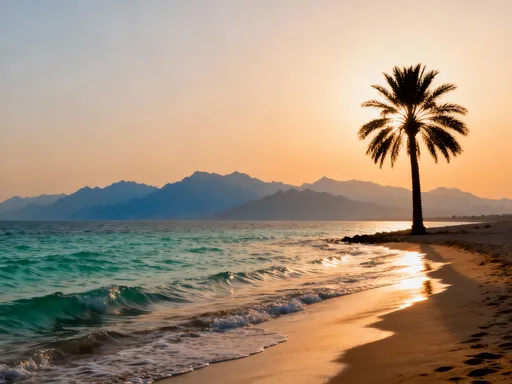
The Dead Sea is often described in scientific terms: the lowest point on Earth, at approximately 430 meters below sea level, with salinity levels exceeding 30%, making it nearly impossible for aquatic life to survive. Its waters, dense with magnesium, calcium, and potassium, allow visitors to float effortlessly, a sensation both surreal and calming. Yet, beyond these well-documented physical properties lies a landscape of profound visual and emotional impact—one that defies ordinary description. The water shimmers with an otherworldly sheen, the surrounding cliffs glow in warm ochres and soft grays, and the air carries a stillness that feels almost sacred.
This environment, so extreme and so beautiful, has long drawn scientists, wellness seekers, and spiritual travelers. But increasingly, it is also attracting artists—those who see not just a geological anomaly, but a vast, open canvas. The Dead Sea’s unique combination of isolation, dramatic light, and elemental textures creates conditions unlike any other on the planet. It is a place where the boundaries between nature and art begin to blur. The salt-crusted shores, the wind-sculpted dunes, and the shifting reflections on the water all contribute to an atmosphere of quiet intensity, one that invites contemplation and creative expression.
What makes the Dead Sea particularly compelling as an artistic landscape is its duality: it is both fragile and enduring, ancient and constantly changing. The receding water levels, a result of regional water diversion and climate factors, have exposed new terrains—salt flats, cracked mud beds, and abandoned shorelines—that artists now use as sites for temporary works. These changes, while environmentally concerning, have inadvertently opened up spaces for artistic intervention. Installations appear and disappear with the seasons, mirroring the natural cycles of erosion and renewal. In this way, the Dead Sea becomes not just a backdrop, but an active participant in the creative process.
Art in Extremes: Why the Desert Inspires Creativity
Deserts have long held a powerful place in the human imagination—not as barren wastelands, but as spaces of clarity, introspection, and transformation. The vast emptiness, the unbroken horizon, and the silence that follows the wind all contribute to a sense of expanded awareness. It is no coincidence that many spiritual traditions have flourished in arid regions, nor that artists throughout history have been drawn to such environments. The desert strips away distractions, forcing a confrontation with the essential. In Jordan’s eastern desert, near the Dead Sea, this quality is especially pronounced.
The connection between extreme landscapes and artistic creation is well documented in the global art world. Movements such as Land Art, which emerged in the 1960s and 1970s, were born from a desire to escape traditional gallery spaces and engage directly with nature. Artists like Robert Smithson and Nancy Holt created monumental works in remote deserts, using earth, rock, and sunlight as their primary materials. Their pieces were not meant to be owned or sold, but experienced—often requiring long journeys to reach and existing only in photographs for most people. The spirit of this movement lives on in contemporary projects around the Dead Sea, where artists respond to the land with humility and intention.
In Jordan, this dialogue between art and environment is further enriched by cultural heritage. The desert has been home to nomadic communities for millennia, including the Bedouin people, whose traditions emphasize resourcefulness, storytelling, and deep knowledge of the land. Their aesthetic—expressed through woven textiles, handcrafted tents, and oral poetry—reflects a sustainable relationship with the environment. Modern artists working near the Dead Sea often draw inspiration from these traditions, not by imitating them, but by engaging with the same principles: simplicity, resilience, and respect for natural cycles. The result is a form of art that feels both ancient and urgently contemporary.
Moreover, the technical challenges of working in such a harsh climate—intense sun, high salinity, unpredictable weather—demand innovation. Materials must be chosen carefully; structures must withstand wind and heat. These constraints, rather than limiting creativity, often enhance it. Artists are forced to think differently, to collaborate with the elements rather than dominate them. The impermanence of many installations is not a flaw, but a feature—a reminder that beauty can be fleeting, and that some experiences are meant to be witnessed, not preserved.
Theme Area 1: The Salt Canvas – Sculptures Born from the Earth
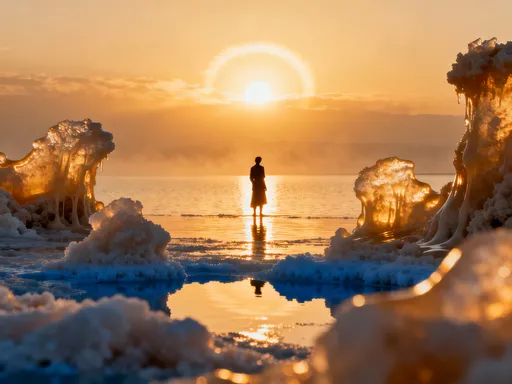
One of the most striking forms of artistic expression near the Dead Sea is the use of natural materials—particularly salt, mud, and stone—to create site-specific sculptures. These works are not placed in the landscape; they emerge from it. Artists collect salt crystals from the shoreline, shape them into geometric forms, or allow them to grow naturally on wire frames. Over time, the sculptures change: they crystallize further, crack under the sun, or dissolve during rare rainfalls. Each stage becomes part of the artwork’s narrative, emphasizing the passage of time and the power of natural forces.
A notable example is a series of salt domes created by a Jordanian artist collective near the southern basin of the Dead Sea. These dome-shaped structures, ranging from one to three meters in height, were built using a mixture of salt slurry and natural binders. During the day, they reflect sunlight in dazzling patterns; at night, under moonlight, they glow faintly, like ancient sentinels. The artists intentionally avoided permanent foundations, allowing the pieces to shift and settle with the ground. Some have already partially collapsed, their fragments merging back into the salt flats. Rather than seeing this as destruction, the artists view it as transformation—a return to the earth that gave them form.
Another project involves large-scale earth drawings etched into the dry lakebed. Using simple tools and GPS mapping, artists create intricate patterns—spirals, labyrinths, and radiating lines—that can only be fully appreciated from aerial views. These works are ephemeral by design; wind and occasional flash floods gradually erase them. Yet, their temporary nature adds to their emotional impact. Visitors who discover them on foot experience a sense of discovery, as if stumbling upon a secret language written in dust and stone. The act of walking through these patterns becomes a meditative journey, aligning body and mind with the rhythms of the land.
What unites these salt-based artworks is a philosophy of collaboration with nature. Unlike traditional sculpture, which often seeks to impose form onto material, these pieces listen to the environment. They adapt, respond, and eventually dissolve. This approach reflects a growing global awareness of sustainability in art, where the ecological footprint of creation is as important as the final product. In a region facing environmental challenges, such works serve not only as aesthetic experiences but as quiet statements about coexistence and impermanence.
Theme Area 2: Light & Shadow Play – Desert Installations at Dawn and Dusk
If the salt sculptures speak to the tactile and material qualities of the Dead Sea landscape, then the light-based installations engage with its temporal and atmospheric dimensions. The desert around the Dead Sea experiences some of the most dramatic shifts in light anywhere on Earth. At dawn, the sky transitions from deep indigo to soft gold, casting long shadows that stretch across the salt flats. At dusk, the horizon ignites in fiery reds and purples, with the water mirroring the sky like a liquid mirror. Artists have begun to design works that interact with these daily transformations, creating experiences that are time-specific and deeply immersive.
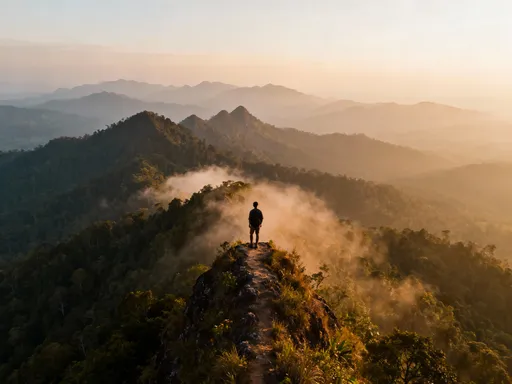
One such installation, located on a ridge overlooking the northern shore, consists of a series of vertical metal poles arranged in a precise grid. Each pole is fitted with a small reflective panel angled to catch the first rays of sunrise. As the sun rises, the panels ignite one by one, creating a wave of light that moves across the structure. By mid-morning, the effect disappears, and the installation becomes nearly invisible. To witness it, visitors must arrive before dawn, hiking in the dark with headlamps, then wait in silence as the world slowly brightens. The experience is not passive; it requires patience, presence, and a willingness to embrace discomfort. But for those who make the effort, the reward is profound—a moment of collective awe as light returns to the land.
Another project uses shadow as its primary medium. A large circular platform, embedded with carved channels and raised ridges, is designed so that at exactly noon on the summer solstice, the shadows align to form a perfect geometric star. For the rest of the year, the pattern is incomplete or distorted. This work invites visitors to think about time, alignment, and the precision of natural cycles. It also encourages repeat visits, as people return to observe how the shadows shift with the seasons. Local guides often accompany visitors, explaining both the artistic intent and the astronomical principles behind the design, creating a bridge between science and aesthetics.
These light and shadow installations are not merely decorative; they are invitations to slow down and observe. In an age of constant stimulation, they offer a rare opportunity to engage with slowness, stillness, and anticipation. They remind us that beauty is not always immediate—it often requires waiting, positioning, and the right conditions. For the traveler, this means planning visits around natural rhythms rather than tourist schedules. It means rising early, staying late, and being present in ways that most vacations do not demand. But it is precisely this effort that makes the experience so memorable.
Theme Area 3: Cultural Murals and Nomadic Aesthetics
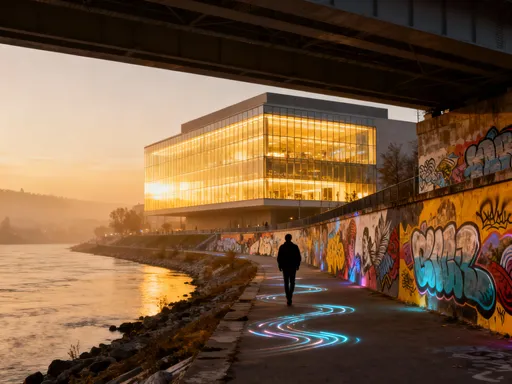
While much of the art around the Dead Sea is abstract or environmental, another important strand is deeply rooted in human culture—specifically, the traditions of Jordan’s Bedouin communities and local artisans. In recent years, several resorts and cultural centers near the Dead Sea have commissioned murals and public art projects that celebrate these heritage forms. Unlike generic tourist decorations, these works are created in collaboration with local artists, ensuring authenticity and respect for cultural context.
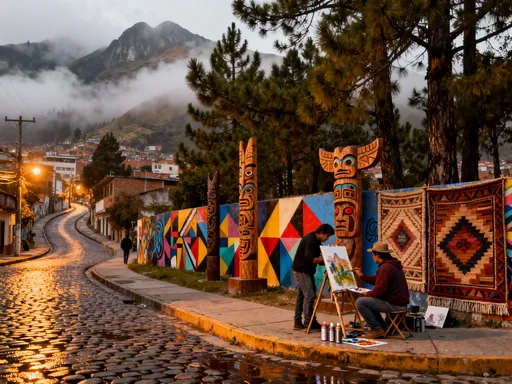
One striking example is a series of painted walls at a community arts center in the village of Al-Ghawr, located just west of the Dead Sea. The murals depict scenes from daily Bedouin life—women weaving textiles, families gathering around campfires, camels moving across dunes. The style is narrative and colorful, using natural pigments and traditional motifs. What makes these murals special is not just their visual appeal, but their function as educational tools. School groups visit regularly, and elders from the community are often present to share stories behind the images. The project has become a living archive, preserving oral history through visual means.
Another initiative features textile installations made from handwoven Jordanian fabrics, displayed in open-air pavilions near eco-lodges. These textiles, dyed with plant-based colors and patterned with symbols representing protection, fertility, and journey, are hung like banners that flutter in the wind. At night, soft lighting enhances their textures, turning them into glowing tapestries. Guests are encouraged to touch and even try weaving on small looms provided in the exhibition space. This tactile engagement fosters a deeper connection than passive viewing ever could.
These cultural art projects do more than beautify spaces—they affirm identity, support local economies, and create meaningful interactions between visitors and residents. They resist the tendency to commodify tradition by involving the community in every stage, from design to storytelling. For the traveler, especially one seeking authentic experiences, these works offer a window into a way of life that values hospitality, craftsmanship, and resilience. They remind us that art is not only about innovation, but also about continuity—the passing down of knowledge, skill, and spirit across generations.
Navigating the Creative Landscape: Practical Tips for Art-Focused Travelers
For those inspired to explore the artistic dimensions of the Dead Sea, thoughtful planning can greatly enhance the experience. While some installations are visible from public roads or resort areas, others require guided access due to their remote locations or environmental sensitivity. Local tour operators in Amman and nearby towns such as Madaba and Al-Karak increasingly offer specialized itineraries focused on art and culture. These tours often include transportation, expert commentary, and coordination with artists or community leaders, ensuring respectful and informed visits.
Timing is crucial. For light-based installations, early morning or late afternoon visits are essential. The midday sun, while bright, flattens shadows and reduces contrast, making it less ideal for photography or visual appreciation. Travelers should bring layers, as desert temperatures can drop significantly at night, even in summer. Comfortable walking shoes, sun protection, and reusable water bottles are also recommended, as many sites lack infrastructure. Given the fragile nature of both the environment and the artworks, visitors are asked to stay on designated paths, avoid touching installations unless invited, and carry out all waste.
Combining art exploration with wellness activities creates a balanced and enriching itinerary. Many visitors come to the Dead Sea for its therapeutic mud and mineral baths, and these experiences can be seamlessly integrated with cultural visits. For example, a morning float in the buoyant waters can be followed by a guided walk to a nearby land art site. Afternoon tea at a local café might include a presentation by a Jordanian artist. This holistic approach allows travelers to care for their bodies while feeding their imaginations.
Sustainability is a key consideration. The Dead Sea region faces real environmental pressures, including declining water levels and habitat loss. Responsible travelers can support conservation by choosing eco-certified accommodations, participating in clean-up initiatives, and purchasing crafts directly from artisans. Some art projects even incorporate recycled materials or environmental education into their design, turning creative expression into a form of activism. By engaging with these efforts, visitors become part of a larger movement to protect this unique landscape for future generations.
Why This Journey Matters: Art as a Gateway to Deeper Travel
In a world where travel is often reduced to checklists and photo ops, the artistic awakening of the Dead Sea offers a different path—one of depth, reflection, and connection. These creative spaces do not merely decorate the landscape; they invite us to see it anew, to slow down, and to listen. They transform the act of visiting into a form of participation, where observation becomes contemplation, and curiosity becomes understanding.
Art-focused travel encourages mindfulness. It asks us to be present, to notice details, to consider the intentions behind what we see. Whether standing before a salt sculpture that may vanish in a storm, or watching sunlight dance across a metal grid, we are reminded of our own transience and the beauty of impermanence. These moments do not distract from the natural wonder of the Dead Sea—they deepen it.
Moreover, this kind of travel fosters cultural appreciation. By engaging with works that honor Bedouin traditions or respond to environmental realities, visitors gain insight into Jordan’s living heritage. They move beyond stereotypes and superficial encounters, forming genuine connections with people and places. This is not tourism as escape, but as encounter—a meeting of worlds that enriches both host and guest.
The Dead Sea has always been a place of healing, whether through its minerals, its climate, or its quiet. Now, it is also becoming a place of inspiration—a living gallery where nature and human creativity coexist in delicate balance. For the traveler willing to look beyond the surface, it offers not just relaxation, but revelation. So the next time you plan a journey to this ancient land, consider not only the float, but the art that floats alongside it—born of salt, shaped by light, and carried on the breath of silence.