You Won’t Believe What I Found in Johor Bahru—Hidden Gems & Local Flavors Uncovered
Johor Bahru isn’t just a gateway to Singapore—it’s a treasure trove of unique local specialties waiting to be discovered. I went searching for authenticity and left amazed by flavors and crafts I never expected. From bustling markets to quiet neighborhood shops, the city reveals its soul through what it creates and cherishes. This is more than shopping—it’s connection, culture, and real Malaysian warmth packed into every bite and handmade piece. What I found wasn’t on any tourist map, but in the quiet exchanges with a kuih seller at dawn, the scent of roasting spices in a back-alley shop, and the intricate patterns of hand-stamped batik folded neatly on a wooden table. Johor Bahru invites you not to pass through, but to pause, taste, and truly see.
First Impressions: More Than Just a Border Town
Johor Bahru, often abbreviated as JB, sits at the southernmost tip of Peninsular Malaysia, just a short train or bus ride from Singapore. For many, it’s a transit point—a place to cross the border, perhaps grab a quick meal or bargain shopping before heading home. But beneath this functional reputation lies a city rich in cultural texture, historical depth, and a quietly thriving local economy rooted in tradition. As the capital of Johor state, JB has grown steadily over the decades, blending modern infrastructure with pockets of heritage that tell the story of a community shaped by Malay, Chinese, Indian, and colonial influences.
Walking through the city for the first time, one might notice the contrast between sleek shopping malls and weathered shophouses with peeling paint and handwritten signs. This duality is part of JB’s charm. It doesn’t try to be Kuala Lumpur or Penang; instead, it carves its own identity—one that values practicality, warmth, and the quiet pride of craftsmanship. I arrived with modest expectations, imagining a quick stopover with little to offer beyond duty-free shops and food courts. What I encountered instead was a city alive with rhythm, where every corner seemed to hold a small revelation.
The people of Johor Bahru move with purpose but greet with ease. A simple ‘hello’ at a roadside stall often turns into a five-minute conversation about the day’s best durian batch or the secret to tender otak-otak. This openness isn’t performative—it’s genuine. It’s the kind of place where a grandmother selling homemade dodol invites you to taste before you buy, not because she needs the sale, but because she wants you to understand what makes her version special. In that moment, shopping becomes storytelling, and a simple transaction transforms into a human connection.
The Pulse of Local Life: Markets Where Discovery Begins
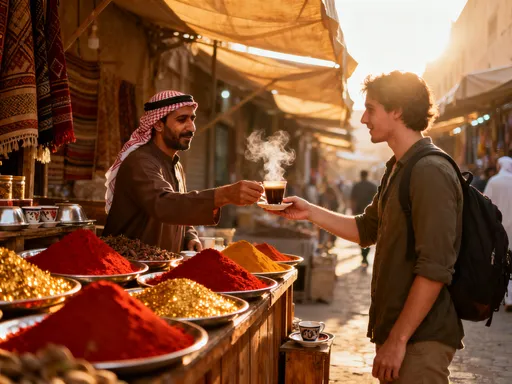
If there’s one place where Johor Bahru’s spirit pulses strongest, it’s in its markets. These are not polished, Instagram-ready spaces designed for tourists—they are working markets, alive with the energy of daily life. Among the most vibrant is Pasar Besar Kota Iskandar, a modern wet market with wide aisles and excellent ventilation, a significant upgrade from the older, more cramped markets in the city center. Here, vendors display glistening fish on beds of ice, pyramids of tropical fruits glow under fluorescent lights, and bundles of fresh herbs emit their earthy perfume with every step.
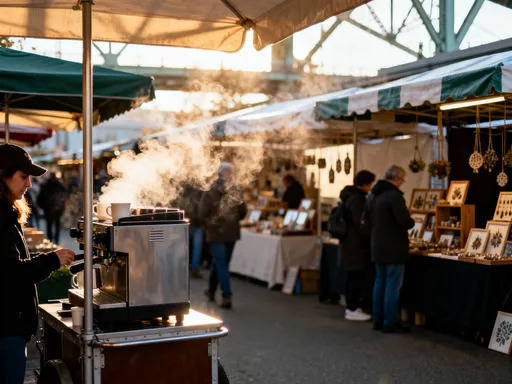
But the true magic happens in the open-air bazaars and neighborhood night markets, known locally as pasar malam. Held on rotating schedules in different residential areas, these temporary markets transform quiet streets into bustling corridors of commerce and community. As dusk falls, stalls pop up selling everything from secondhand clothes to steaming bowls of laksa. The air fills with the sizzle of satay grills, the sweet tang of freshly cut mango, and the rhythmic call of hawkers announcing their specials. It’s sensory overload in the best possible way—a feast for the eyes, nose, and palate.
What makes these markets essential for authentic discovery is their lack of curation. Unlike souvenir shops that stock mass-produced trinkets, these spaces reflect what locals actually eat, use, and value. A vendor selling homemade pickles isn’t adjusting her recipe for foreign tastes—she’s making what her family has eaten for generations. A man roasting chestnuts on a charcoal brazier does it because it’s his livelihood, not because it’s quaint. To walk through these markets is to witness the unfiltered rhythm of Malaysian daily life, where commerce and culture are inseparable.
Engaging with vendors here is part of the experience. A smile, a few basic Malay phrases, and a willingness to point and try go a long way. Many older sellers appreciate the effort, even if communication is limited. And while bargaining is common in some markets, it’s often unnecessary in the neighborhood pasar malam—prices are already fair, and haggling over a RM2 kuih can come across as disrespectful. Instead, the best approach is to observe, ask questions when possible, and let curiosity guide your choices.
Sweet Treasures: Durian Puffs, Kuih, and Iconic Desserts
No exploration of Johor Bahru’s specialties would be complete without diving into its rich tradition of sweets. Malaysian kuih—small, colorful bites of steamed, baked, or fried delicacies—are a cultural institution, and JB offers some of the most authentic versions in the country. These treats are more than just desserts; they are edible heirlooms, often made from recipes passed down through generations. Found in homes, markets, and specialty shops, kuih come in endless varieties: pandan-swirled cupcakes, glutinous rice dumplings wrapped in banana leaves, and jelly-like layers in rainbow hues.
One standout is the durian puff—flaky pastry filled with creamy durian custard, made from the region’s prized Musang King or D24 varieties. Despite durian’s polarizing scent, its flavor is beloved, and in JB, it’s treated with reverence. The best puffs are made fresh daily, with just enough durian to deliver a rich, custardy punch without overwhelming the delicate crust. Look for shops where the durian is sourced locally and processed on-site, rather than using pre-made paste. The difference in freshness is unmistakable.
Another favorite is kuih lapis, a labor-intensive layered cake that requires precise steaming of each thin layer before adding the next. The result is a dense, fragrant dessert with a texture somewhere between cake and fudge. Traditionally made during festive seasons like Hari Raya, it’s now available year-round in specialty kuih shops across the city. Equally beloved is ondeh-ondeh—small green rice balls filled with palm sugar and rolled in grated coconut. When bitten, the molten center oozes out, delivering a warm, sweet surprise.
For those navigating the world of kuih, a few tips can help separate quality from the ordinary. First, freshness matters—kuih is best consumed within a day or two, so buying in small quantities from high-turnover stalls is ideal. Second, appearance isn’t everything; some of the most unassuming stalls produce the most flavorful treats. Finally, don’t shy away from asking vendors which items are made in-house. Many shops resell factory-made kuih, while a few still prepare everything by hand, often early in the morning before dawn.
Savory Staples: Signature Snacks and Street Food with Soul
While the sweets of Johor Bahru delight the palate, it’s the savory street food that fuels the city. The culinary landscape here is a testament to Malaysia’s multicultural makeup, where Malay, Chinese, and Indian flavors coexist and often blend in unexpected ways. One of the most iconic dishes is beef hor fun—flat rice noodles stir-fried with tender slices of beef, dark soy sauce, and a hint of garlic. Served in simple roadside eateries, the best versions feature noodles that are slightly charred at the edges, with a smoky wok hei (breath of the wok) that elevates the entire dish.
Another must-try is otak-otak, a spiced fish mousse wrapped in banana leaves and grilled over charcoal. JB’s version tends to be softer and more aromatic than those found in other regions, with a balanced blend of turmeric, lemongrass, and coconut milk. The grilling process infuses the mixture with a subtle smokiness, while the banana leaf keeps it moist and fragrant. It’s often sold in bundles at markets or cooked fresh at seafood restaurants along the waterfront.
Roasted meats, particularly char siew and roast pork, are another point of pride in JB. Influenced by the city’s large Chinese community, these dishes are staples at kopitiams (traditional coffee shops) and hawker centers. The best char siew glistens with a sticky, honeyed glaze and has a tender interior with just enough fat to enhance the flavor. Roast pork, when done well, has crisp, bubbled skin and juicy meat beneath. Many locals have their favorite stalls, often visited early in the day before supplies run out.
For visitors, timing is key. Many of the best food spots open early and close by mid-afternoon. Going at peak hours—usually between 7:00 and 9:00 a.m. for breakfast, and 12:00 to 2:00 p.m. for lunch—ensures freshness and allows you to eat alongside locals. Hygiene is generally good at established stalls, but it’s wise to choose places with high turnover and visible food handling practices. Ordering like a local means pointing to what others are eating, using simple phrases like “satu nasi lemak, panas” (one hot nasi lemak), and being open to substitutions—such as less chili or no anchovies—when needed.
Handmade with Heart: Crafts and Artisanal Goods Worth Taking Home
Beyond food, Johor Bahru offers a quieter but equally rewarding world of handmade crafts. These are not mass-produced souvenirs from airport gift shops, but items crafted with intention, often by families who have preserved their techniques for decades. One of the most notable is batik, a traditional textile art that involves wax-resist dyeing to create intricate patterns. While Java and Kelantan are more famous for batik, JB has its own small community of artisans keeping the craft alive.
Visiting a family-run batik workshop reveals the painstaking process behind each piece. Designs are first drawn by hand or stamped with copper blocks, then coated with hot wax before dyeing. The wax prevents color from penetrating certain areas, creating the signature patterns. After dyeing, the wax is removed, often by boiling, revealing the final design. Some artisans incorporate local motifs—like the hibiscus, Malaysia’s national flower, or geometric patterns inspired by Islamic art—giving each piece a regional identity.
Wood carving is another craft with deep roots in Johor. Traditionally used in mosque architecture and furniture, the art form has adapted to modern tastes with smaller, decorative items like photo frames, name plaques, and ornamental boxes. These are often made from cengal or merbau, durable hardwoods native to the region. The carvings feature floral patterns, calligraphy, or traditional Malay motifs, each piece shaped with chisels and sandpaper by hand.
Woven goods, particularly from the Orang Asli communities in nearby rural areas, also make meaningful keepsakes. While not always available in the city center, select cultural shops and cooperatives sell handwoven baskets, mats, and bags made from rattan and mengkuang palm. These items are not only beautiful but sustainable, made from natural materials using techniques that have changed little over centuries. Purchasing them supports indigenous artisans and helps preserve cultural heritage.
What makes these crafts special is their story. A batik scarf isn’t just fabric—it’s a piece of living tradition. A carved wooden box isn’t just decor—it’s the result of hours of focused labor. When travelers choose these items over generic souvenirs, they take home more than a memento; they carry a fragment of Johor’s soul.
Beyond the Mall: Off-the-Beaten-Path Spots for Unique Finds
Johor Bahru is home to several large shopping centers, including the popular Johor Premium Outlets, which draws crowds from Singapore looking for international brands at discounted prices. While these malls serve a purpose, they offer little insight into the city’s true character. The most memorable discoveries happen elsewhere—in quiet neighborhoods, tucked-away lanes, and independent cafes that double as artisanal shops.
One such gem is a growing number of specialty cafes that focus on local products. These aren’t just coffee spots; they’re curated spaces where visitors can sample and purchase house-made preserves, spice blends, and artisanal chocolates. A café in Taman Pelangi, for instance, roasts its own coffee beans using a blend of local Robusta and Arabica, then packages them in reusable tins with hand-drawn labels. Nearby, jars of homemade kaya (coconut jam) sit on wooden shelves, each batch cooked slowly over low heat to achieve the perfect balance of sweetness and richness.
Another hidden find is the small cluster of family-run shops along Jalan Trus, a historic street that once served as a commercial hub during the British colonial era. Here,老字号 (lou3 zi2 lau4) or “old shops,” have stood for generations, selling everything from traditional medicine to hand-stitched leather slippers. One shop, run by a third-generation owner, specializes in homemade toffee made from coconut milk and palm sugar, cooked in copper pots over open flames. The toffee is brittle, deeply caramelized, and wrapped in wax paper with a simple label—no branding, just tradition.
These off-the-beaten-path spots share a common trait: they aren’t designed for mass appeal. They operate on their own terms, often opening late and closing early, with no social media presence or online ordering. Finding them requires slowing down, talking to locals, and wandering without a strict agenda. But for those willing to explore, the rewards are immense. A conversation with a shopkeeper might lead to an impromptu tasting, a recipe shared, or an invitation to return during a festival. These moments, fleeting and unplanned, are what make travel meaningful.
How to Shop Smart and Travel Thoughtfully in JB
Navigating Johor Bahru as a visitor is relatively straightforward, but a few practical tips can enhance both comfort and cultural respect. Currency exchange is easy, with numerous money changers offering competitive rates, especially near the border and in commercial areas. It’s advisable to carry small denominations of Malaysian Ringgit (RM), as many small vendors and transport providers don’t accept cards. Avoid exchanging money at airports or hotels, where rates are often less favorable.
Transportation within the city is accessible via ride-hailing apps like Grab, which are reliable and affordable. Public buses are available but may be confusing for first-time visitors. For those crossing from Singapore, the KTM shuttle train from Woodlands is a scenic and efficient option, dropping passengers directly at JB Sentral, the city’s main transport hub. From there, most destinations are within a 10- to 15-minute ride.
When shopping, bargaining is common in markets but should be done with respect. A polite smile and a reasonable offer are more effective than aggressive haggling. In fixed-price shops, especially those selling handmade goods, prices often reflect the true cost of labor and materials, so paying the stated amount supports the artisan directly. Tipping is not expected in Malaysia, but a simple ‘terima kasih’ (thank you) goes a long way in building goodwill.
Traveling thoughtfully also means being mindful of hygiene, hydration, and pace. Johor Bahru’s tropical climate can be humid, especially in the afternoon. Carrying a water bottle, wearing breathable clothing, and scheduling rest breaks between explorations help maintain energy. Visiting markets and food stalls in the morning ensures the freshest selections and a more comfortable experience. Finally, engaging with locals in a respectful manner—learning a few basic Malay phrases, asking permission before photographing people, and dressing modestly when visiting cultural sites—shows appreciation for the community and enriches the journey.
Conclusion: Why Johor Bahru’s Specialty Products Tell a Deeper Story
What I found in Johor Bahru was not just a list of things to buy or eat, but a deeper understanding of how culture is preserved in the everyday. Each durian puff, each batik scarf, each bowl of beef hor fun carries with it generations of knowledge, pride, and connection. These items are not merely products—they are expressions of identity, resilience, and hospitality.
In a world where travel often means checking off landmarks and snapping photos, Johor Bahru offers a different invitation: to slow down, to listen, and to let a place reveal itself in its own time. The best discoveries aren’t found in guidebooks, but in the quiet moments—a vendor’s smile, the scent of spices in the air, the weight of a handmade basket in your hands.
Traveling with curiosity, rather than a checklist, opens the door to authenticity. It allows us to see beyond the surface and appreciate the craftsmanship, history, and heart behind what a place offers. Johor Bahru may be a border town, but it is so much more—a living, breathing community where every flavor and every craft tells a story. And sometimes, the most unforgettable journeys begin not with grand plans, but with the simple willingness to be surprised.